SEMPERVIVUM
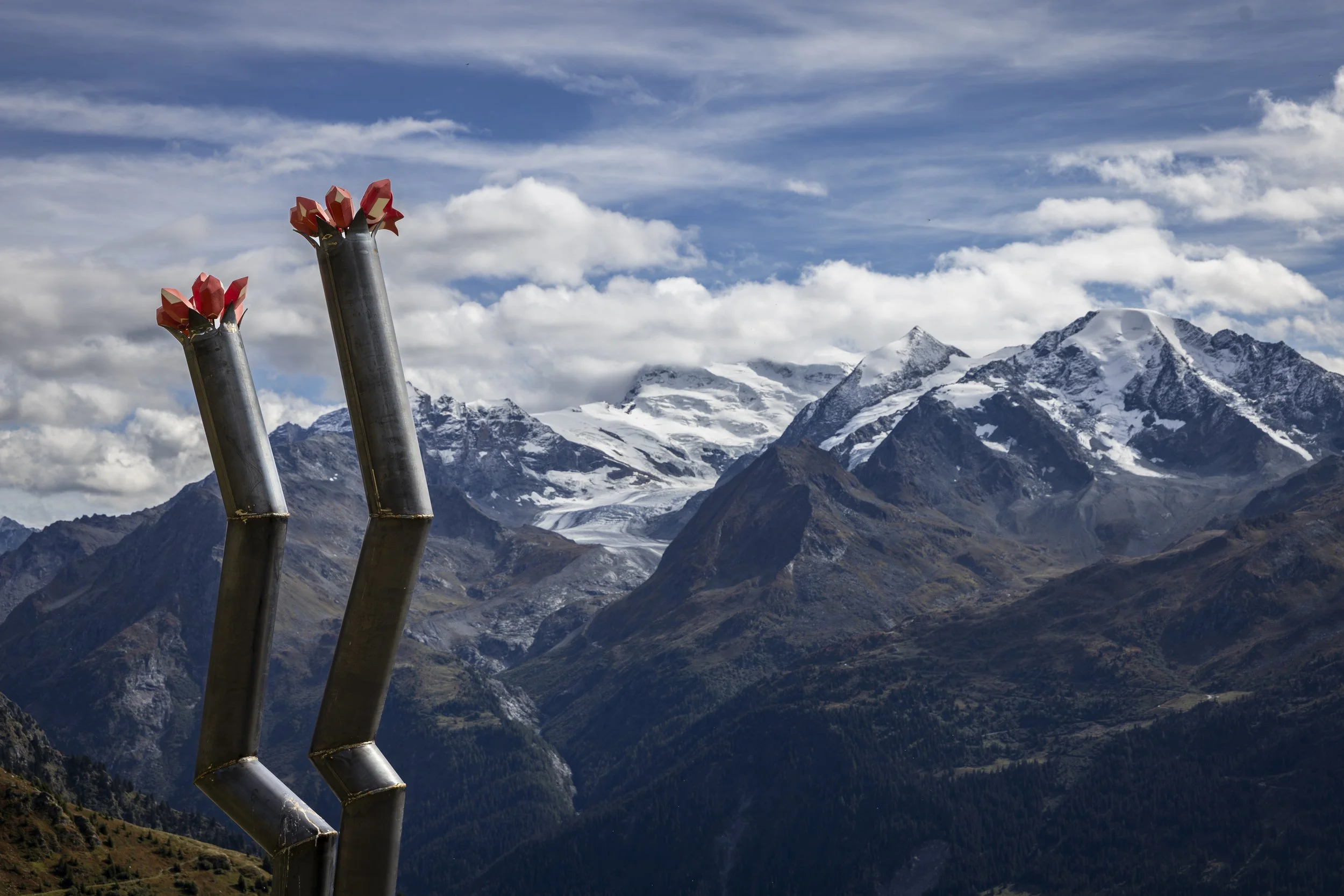
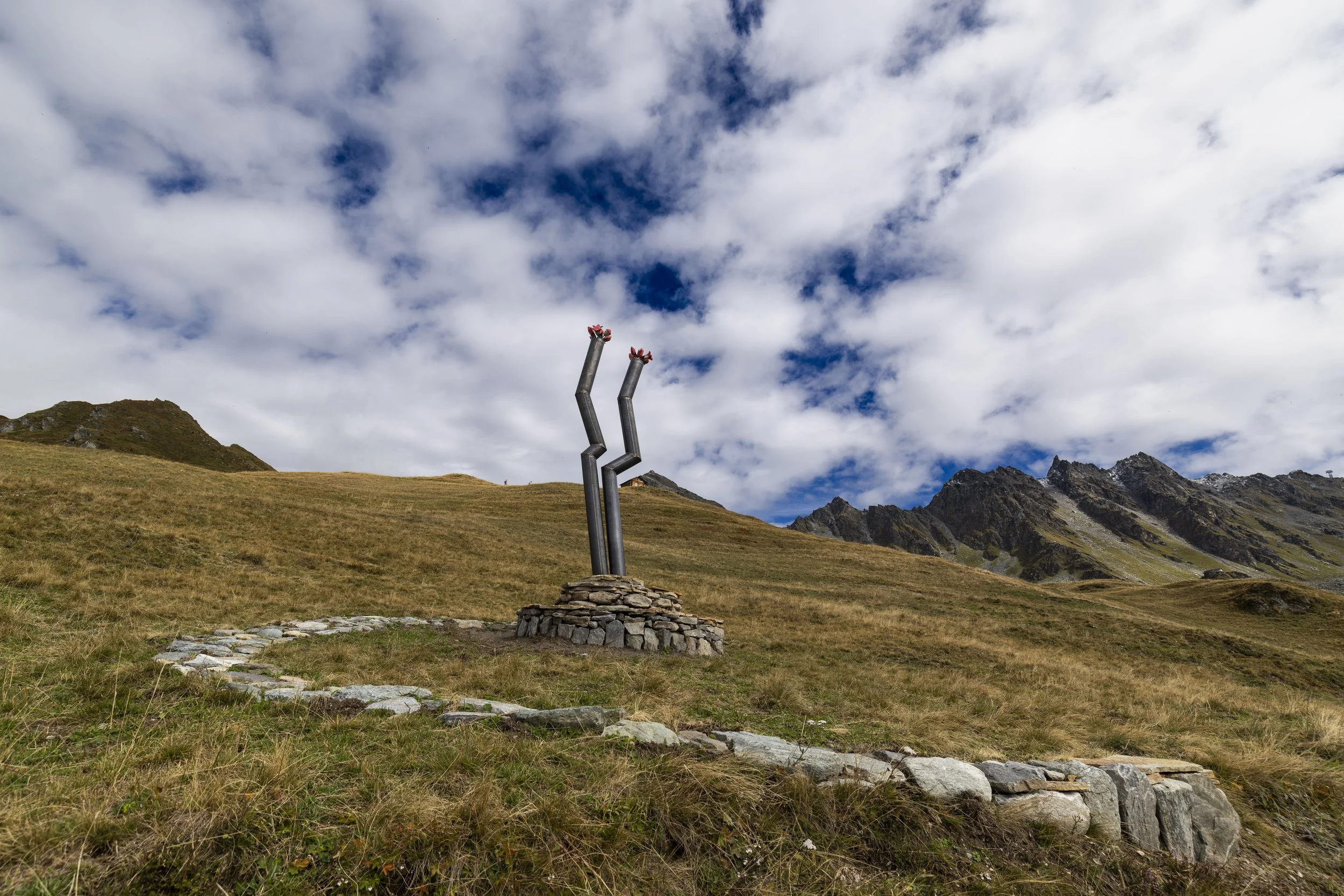
The Verbier 3-D Foundation is pleased to present Sempervivum, a new site-specific sculpture by Cannupa Hanska Luger, created during the Foundation’s 2025 Artist Residency in the Val de Bagnes. Luger, an artist of Mandan, Hidatsa, Arikara, Lakota and European descent, works across disciplines to explore the deep connections between land, community, material, and memory. His approach to creating Sempervivum was an immersive process, one that unfolded as he listened deeply to the mountain and its surrounding community.
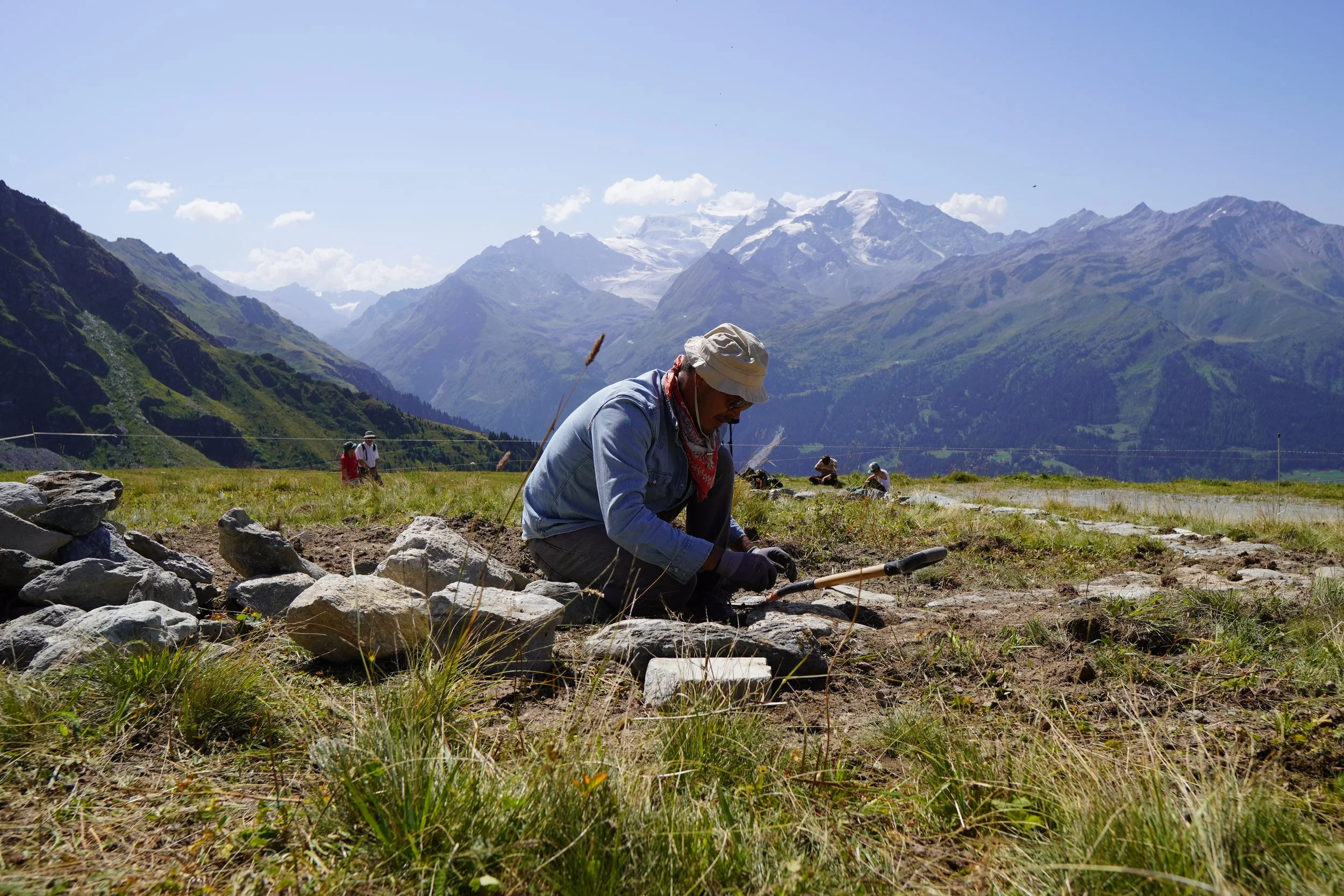
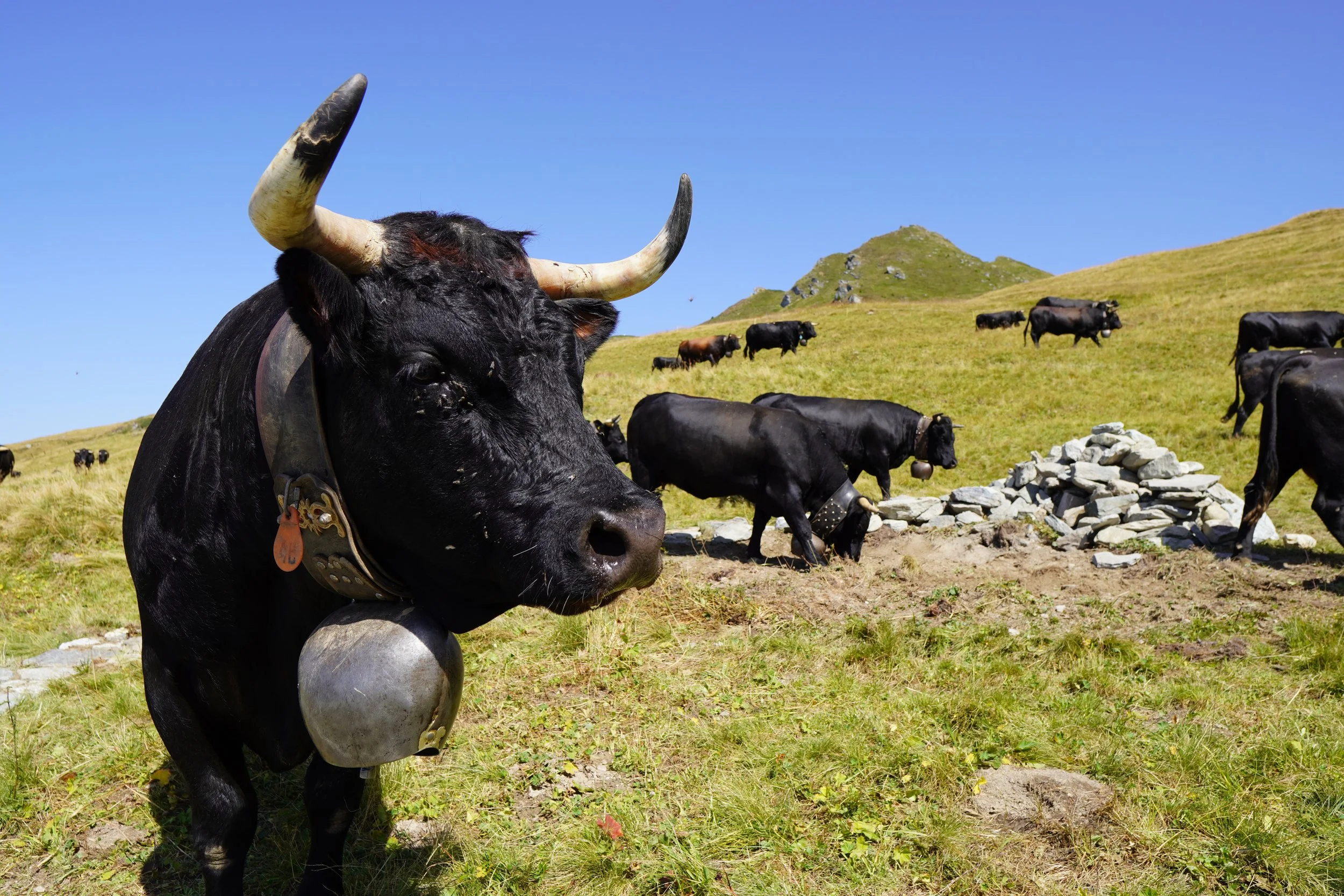
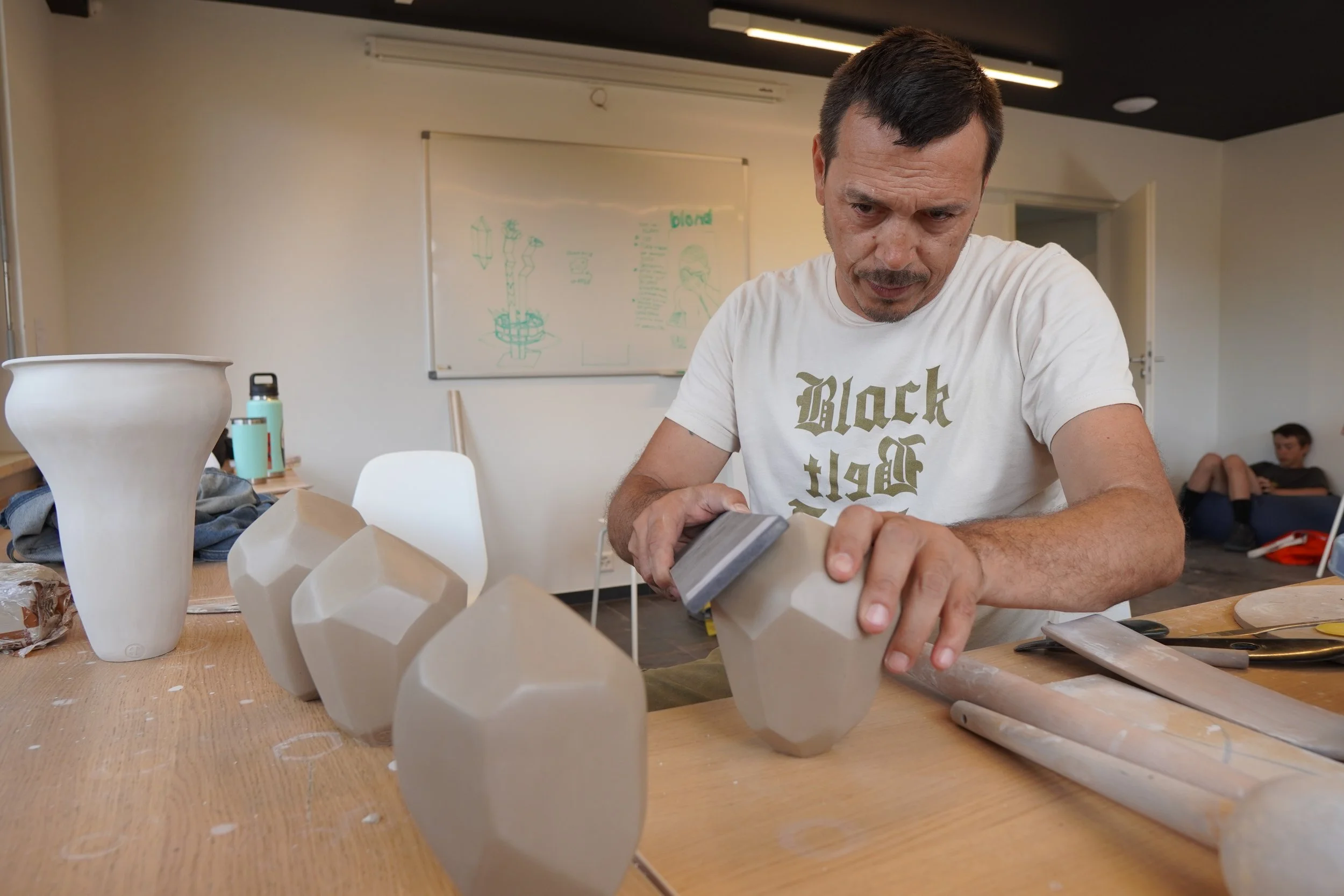
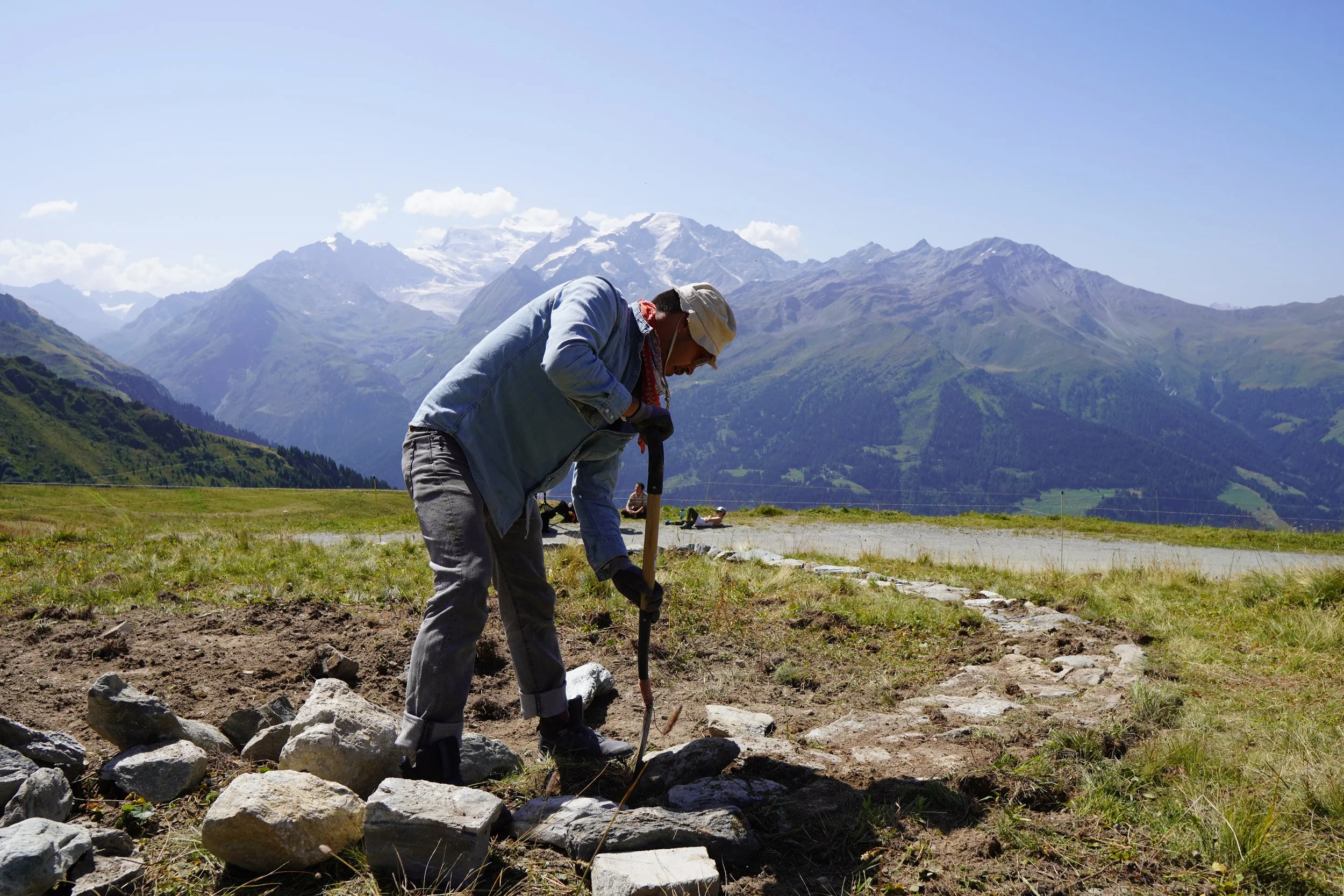
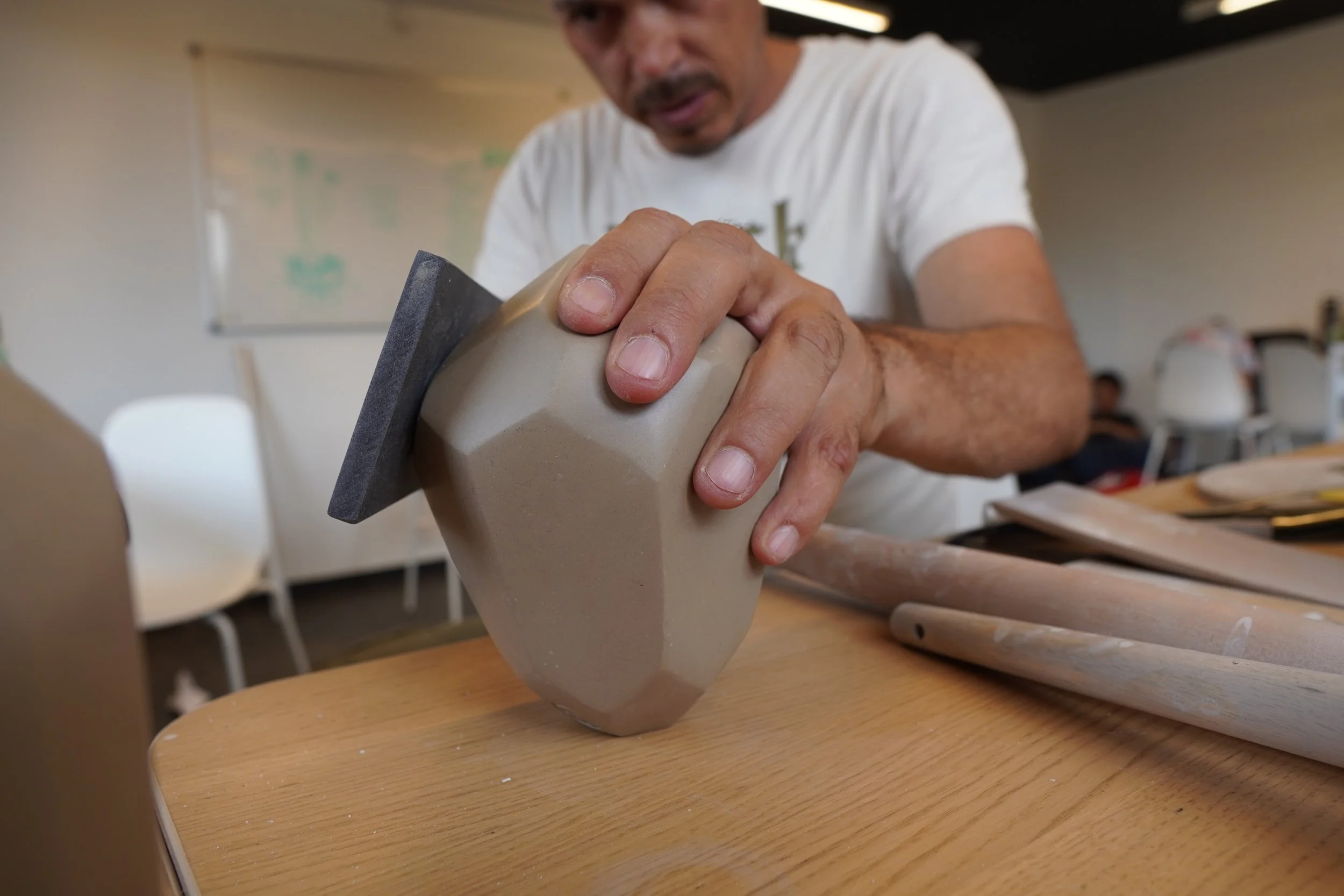
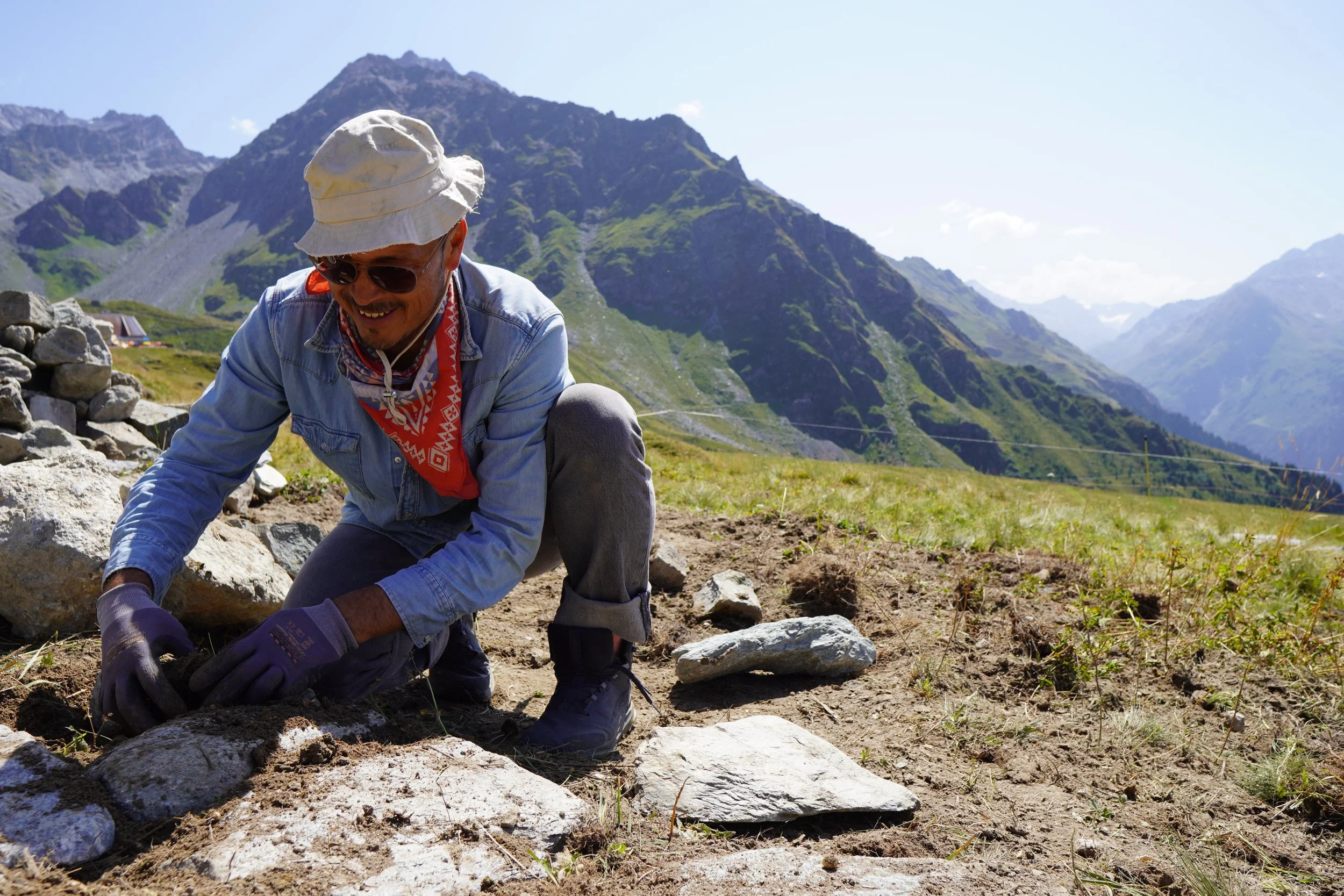
During the residency, Luger divided his time between the studio and the mountainside, collaborating with local artisans while constructing the work directly within the landscape. The process unfolded as a balance between observation and creation: following the land’s rhythms, gathering materials, shaping forms, and absorbing local stories and traditions. In Verbier, such practices are vital to sustaining harmony with the land, particularly through cycles of abundance and scarcity. Guided by the daily life of the valley such as cows moving across alpine pastures and the voices of local residents, Luger allowed the sculpture to take shape organically. He also drew inspiration from Hughes Dubois’ Formes & Façons, which traces inherited cultural forms of the Val de Bagnes. Through this approach, local knowledge and collective memory became guiding forces for the work’s development.
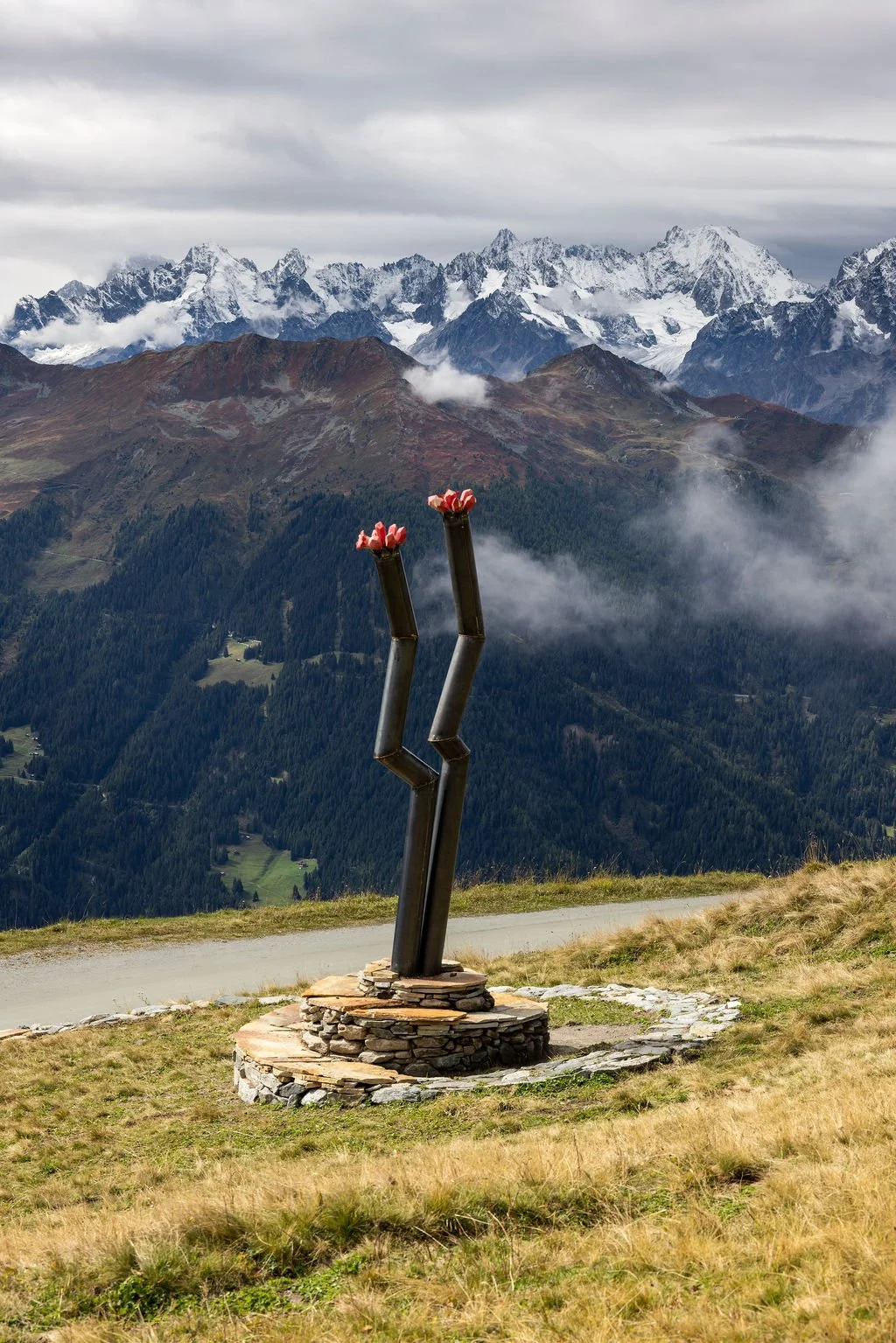
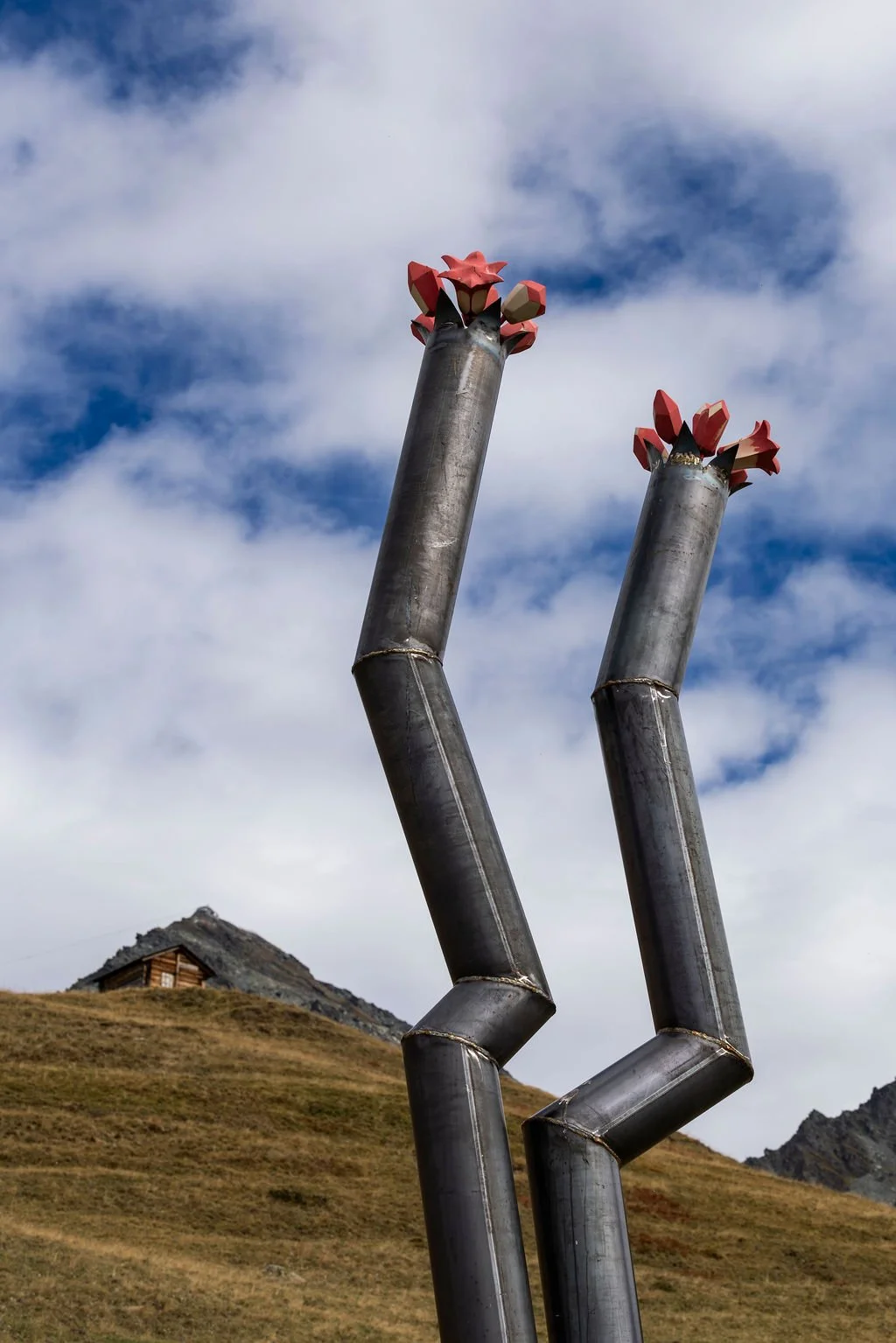
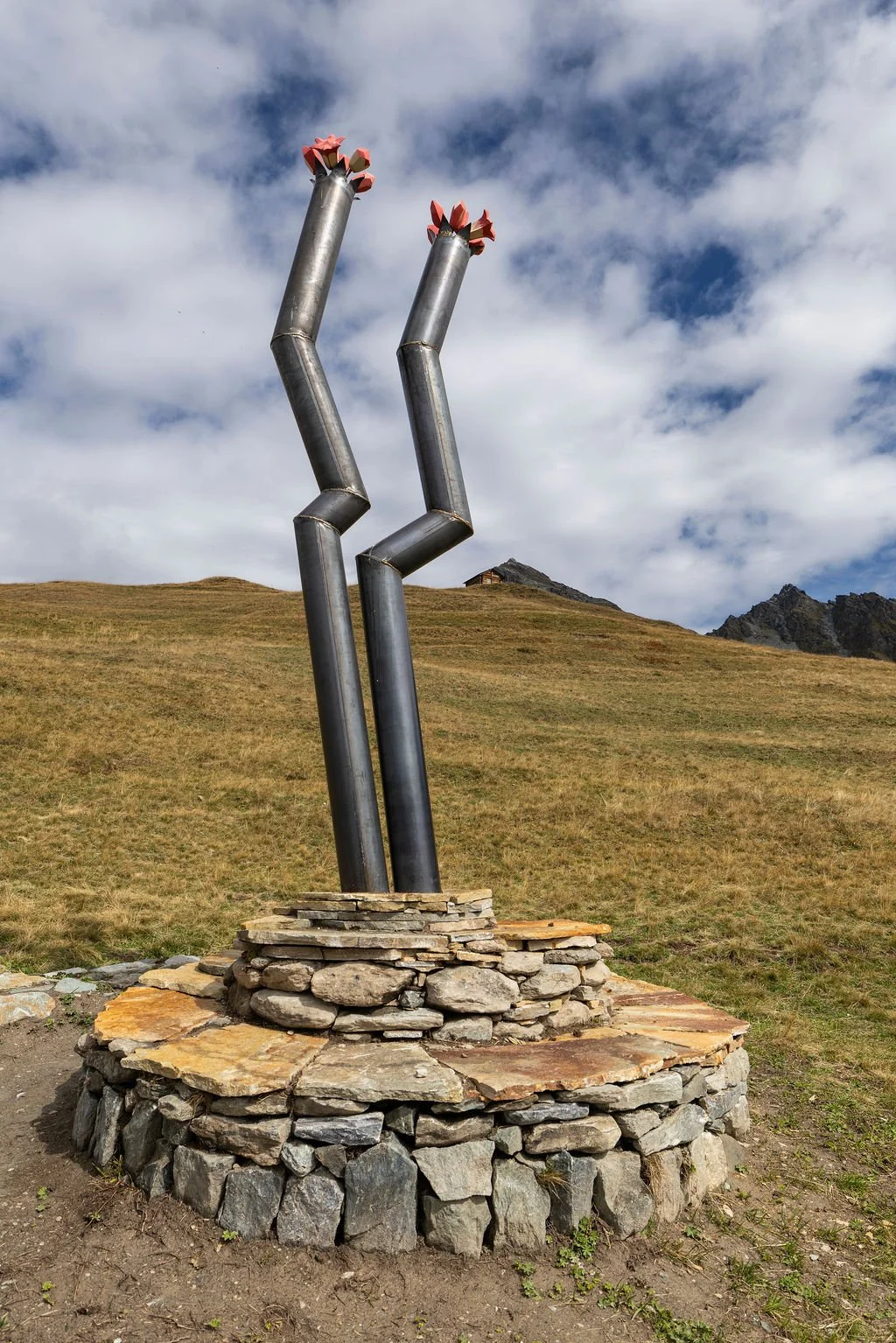
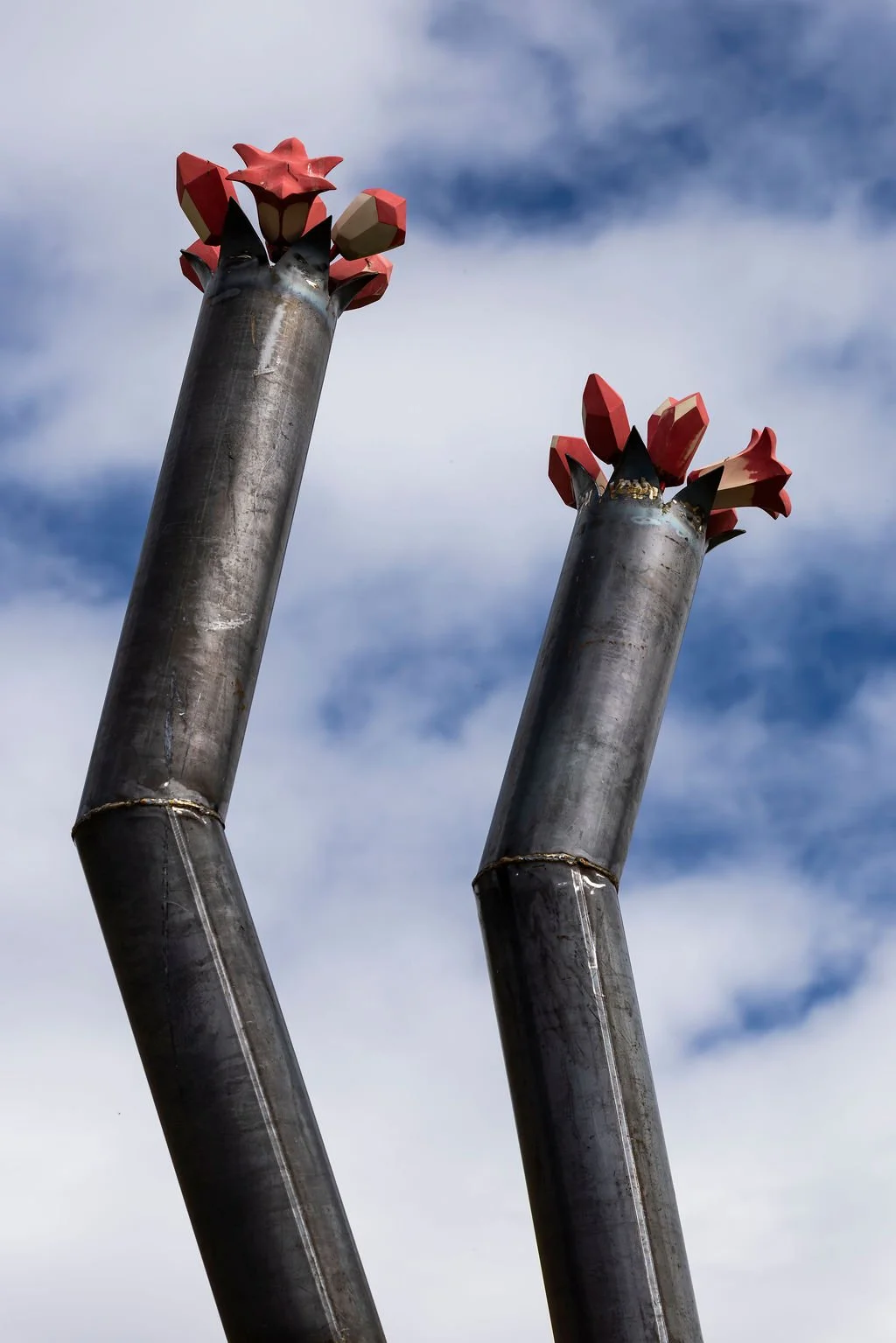
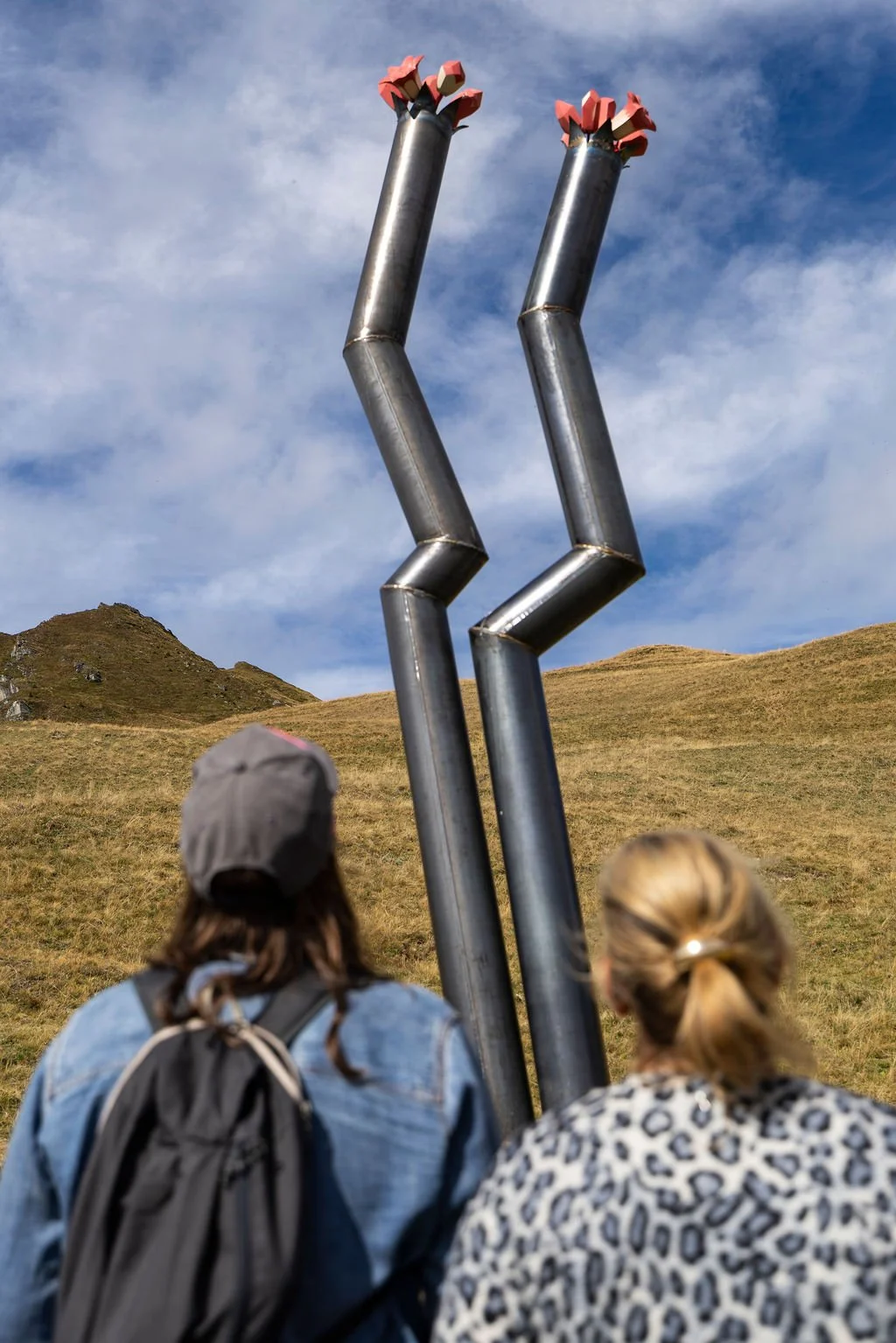
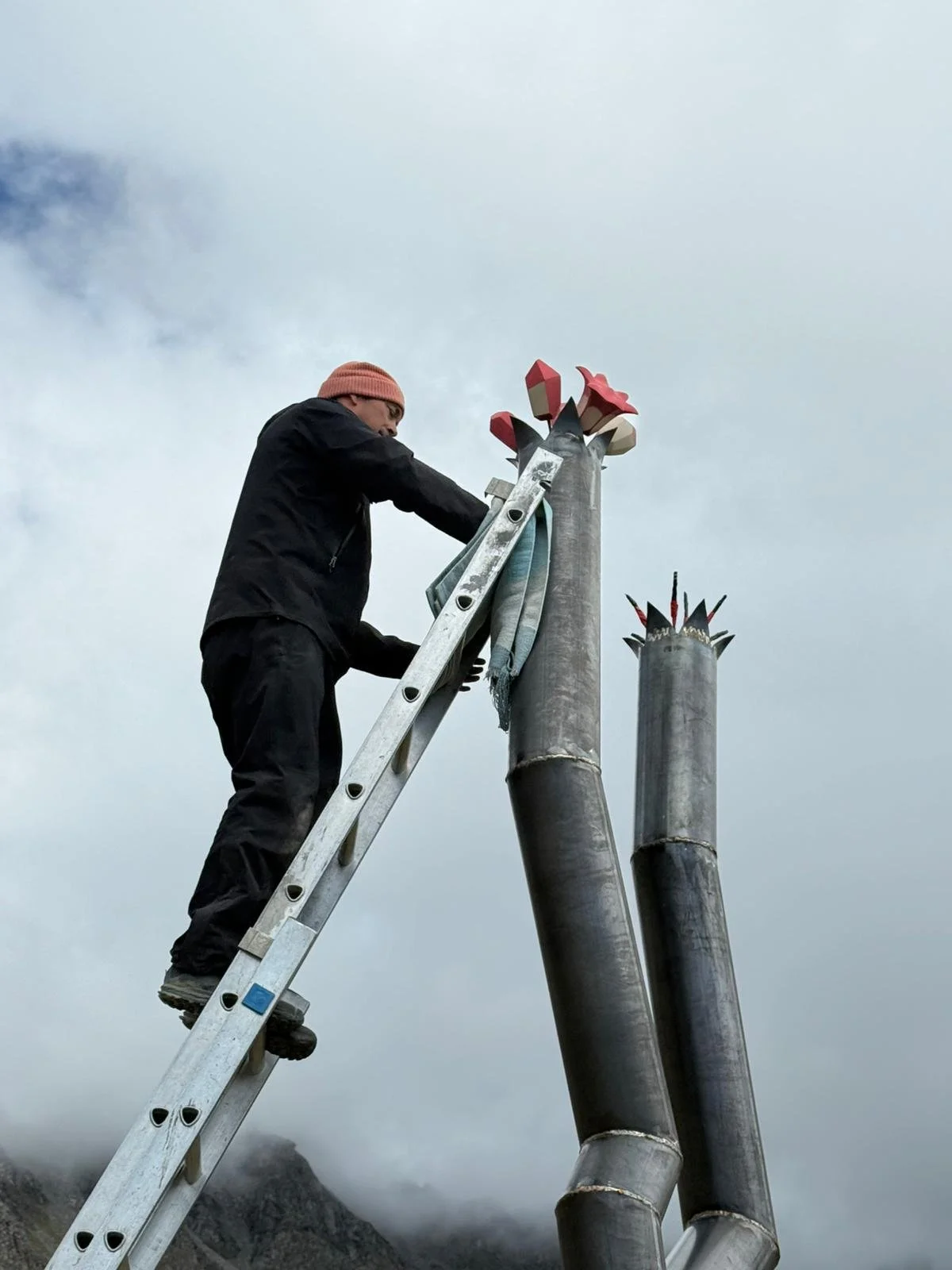
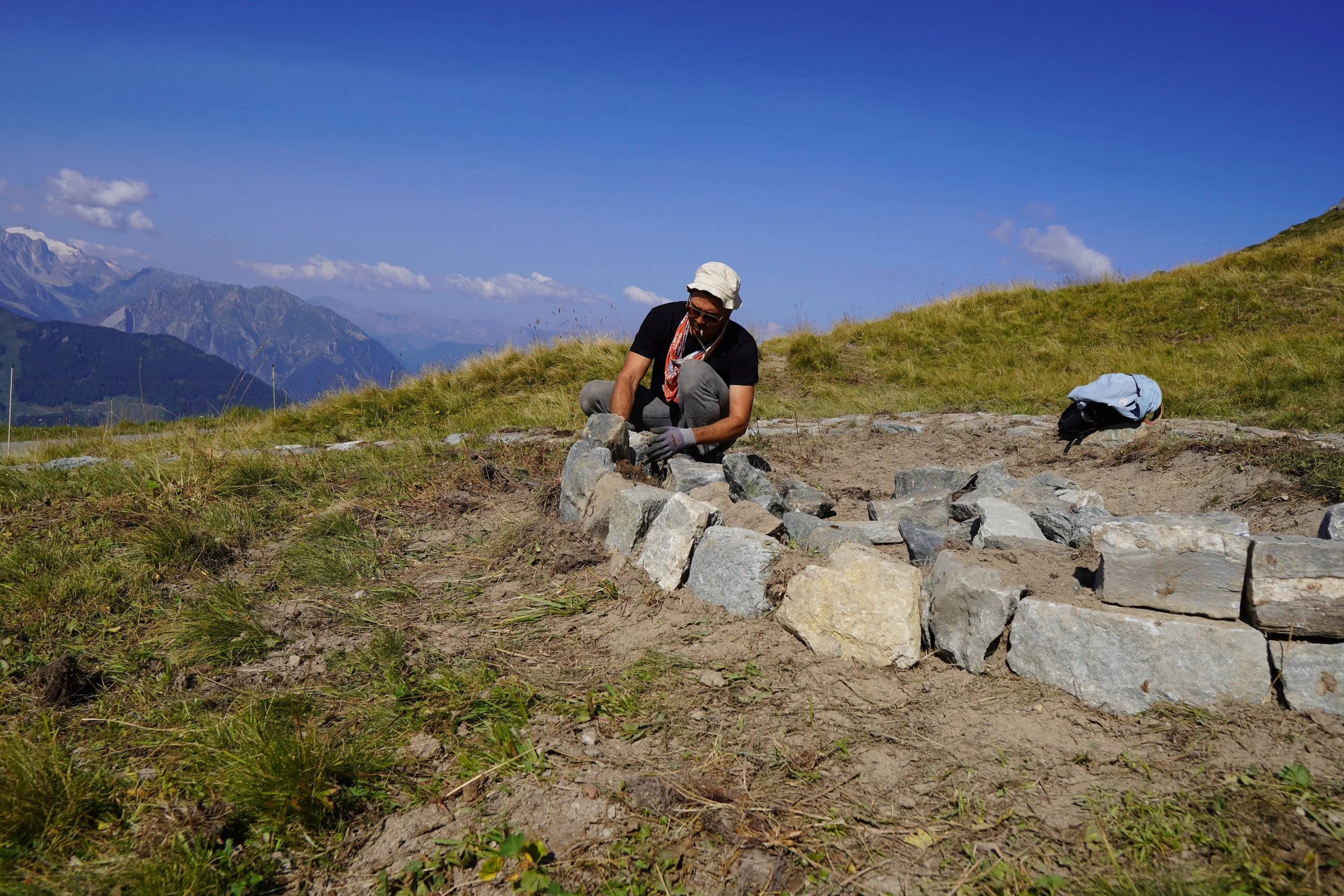
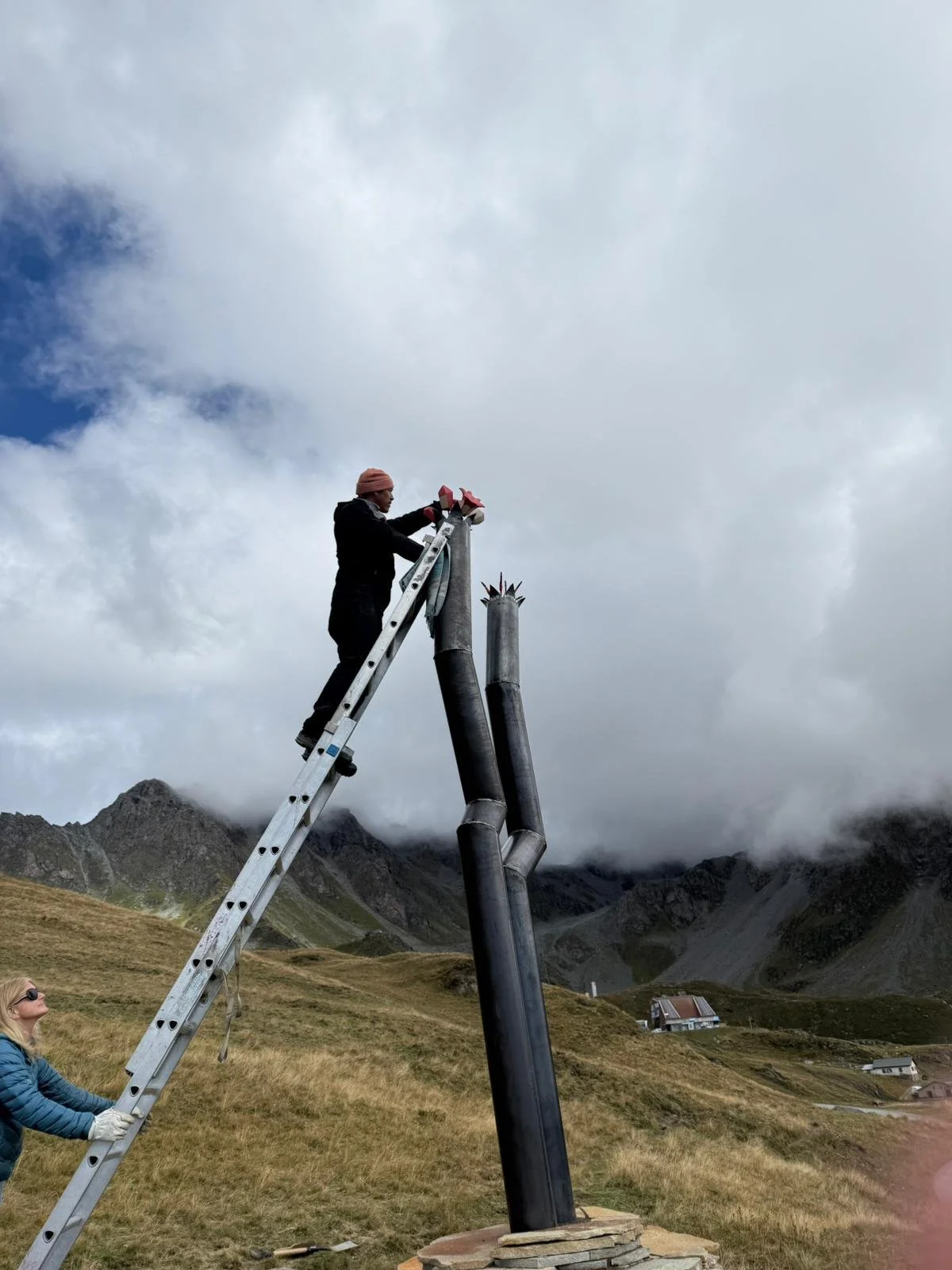
The sculpture’s title comes from the alpine plant Sempervivum (Latin for “always living”). Growing on Swiss rooftops or on top of stones, it was long regarded as a talisman against lightning and misfortune, earning the nickname the “Alpine Evil Eye.” This resilient succulent symbolizes endurance, care, and the intimate connections between humans, folklore, and the natural world. Thriving in harsh conditions, its rosette structure follows the Fibonacci spiral, a geometry that recurs throughout nature. Luger embedded this growth pattern into the stonework itself, allowing the plant’s natural design to shape both the concept and physical form of the piece. The steel element takes the shape of a negative lightning bolt, evoking the destructive power of natural forces and the need for the protective qualities of Sempervivum, while also reflecting the ongoing threat that extreme weather and climate change pose to the land and local communities.
Materially, Sempervivum is an archive of its surroundings. Built from local stone, slate, steel, and ceramic, it embodies the ecology of its place. The stone was taken directly from the surrounding landscape, while traditional building methods like pierres sèches (dry-stone work) and natural ardoises (slates) root the work in centuries of alpine knowledge. Steel marks the region’s industrial presence, while the hand-built, fire-hardened ceramic brings an intimate touch from Luger’s own practice. Each material holds memory, labor, and permanence, making the sculpture an archive of process and a heartfelt offering to the community.
Formally, the work resists singular meaning, existing at the threshold between function and myth. At once shrine, shelter, and gathering place, it invites reflection and reorientation in relation to the land and its stories. For Luger, art is not an isolated object but a dialogue: between artist and land, story and structure, past and possible futures.
With Sempervivum, the Verbier 3-D Foundation continues its commitment to supporting art that is deeply connected to place, responsive to environment, and engaged with community. Cannupa Hanska Luger’s new work offers more than a sculpture, it presents a way of seeing the land as a living entity: one that holds knowledge, asks us to listen, and calls us toward more ethical forms of coexistence.
- Alexa Kusber, Curatorial Director at the Verbier 3-D Foundation

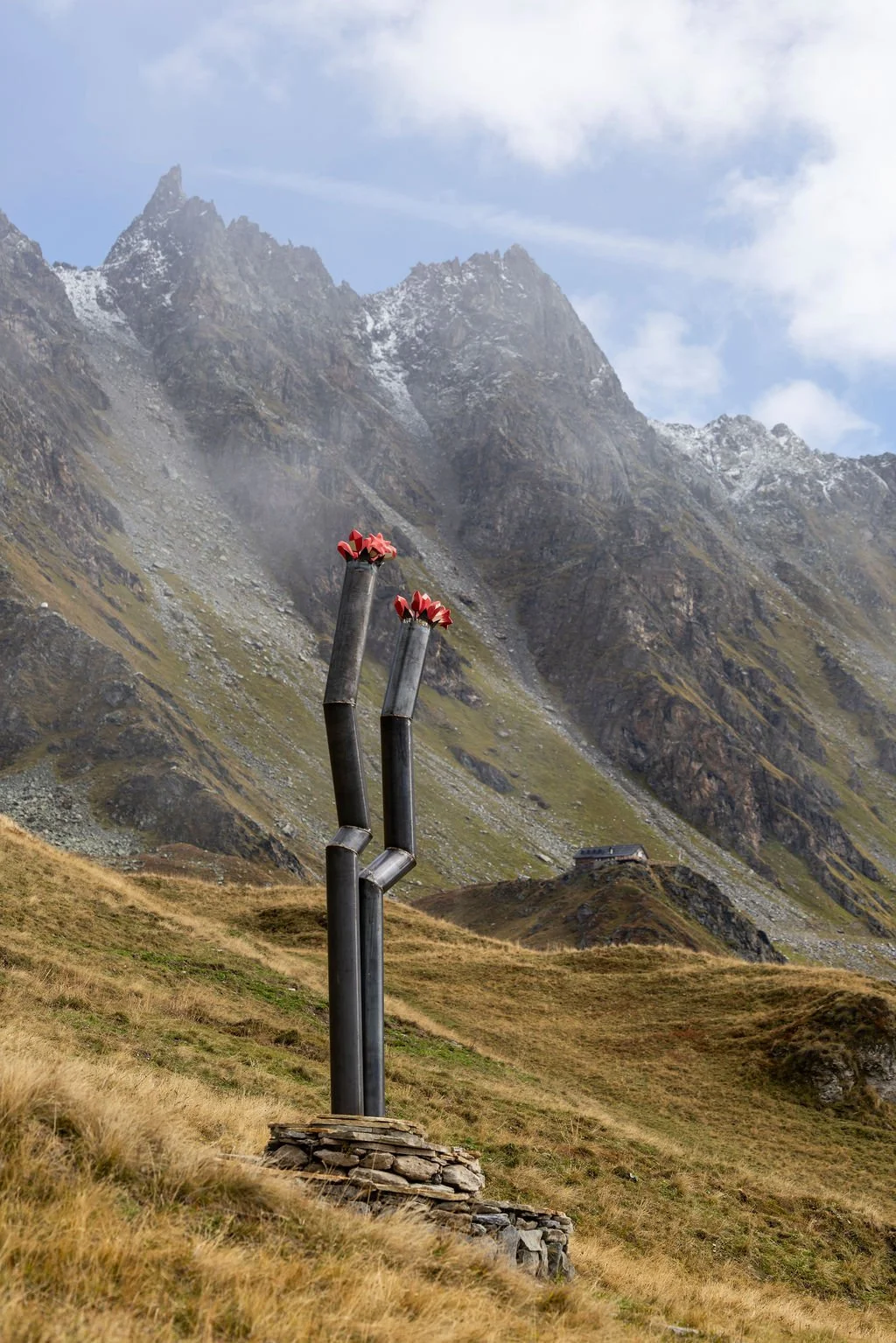
“This summer, I spent six weeks in the Swiss Alps as the Verbier 3-D Sculpture Park Artist-in-Residence. Each day, I rode a gondola up into the mountains to work with the land and community—creating a site-specific monument responding to the sacred plants and folklore of the Val de Bagnes region. Featured as a cover story for Swiss T Magazine, the experience continues to resonate deeply with how a residency can be generative for both the artist and the community engaged. Living and working across the valley from a massive glacier—watching cow fights, meeting farmers and botanists, and sharing the experience with our children expanded the notion that art can generate both reverence and reciprocity.”
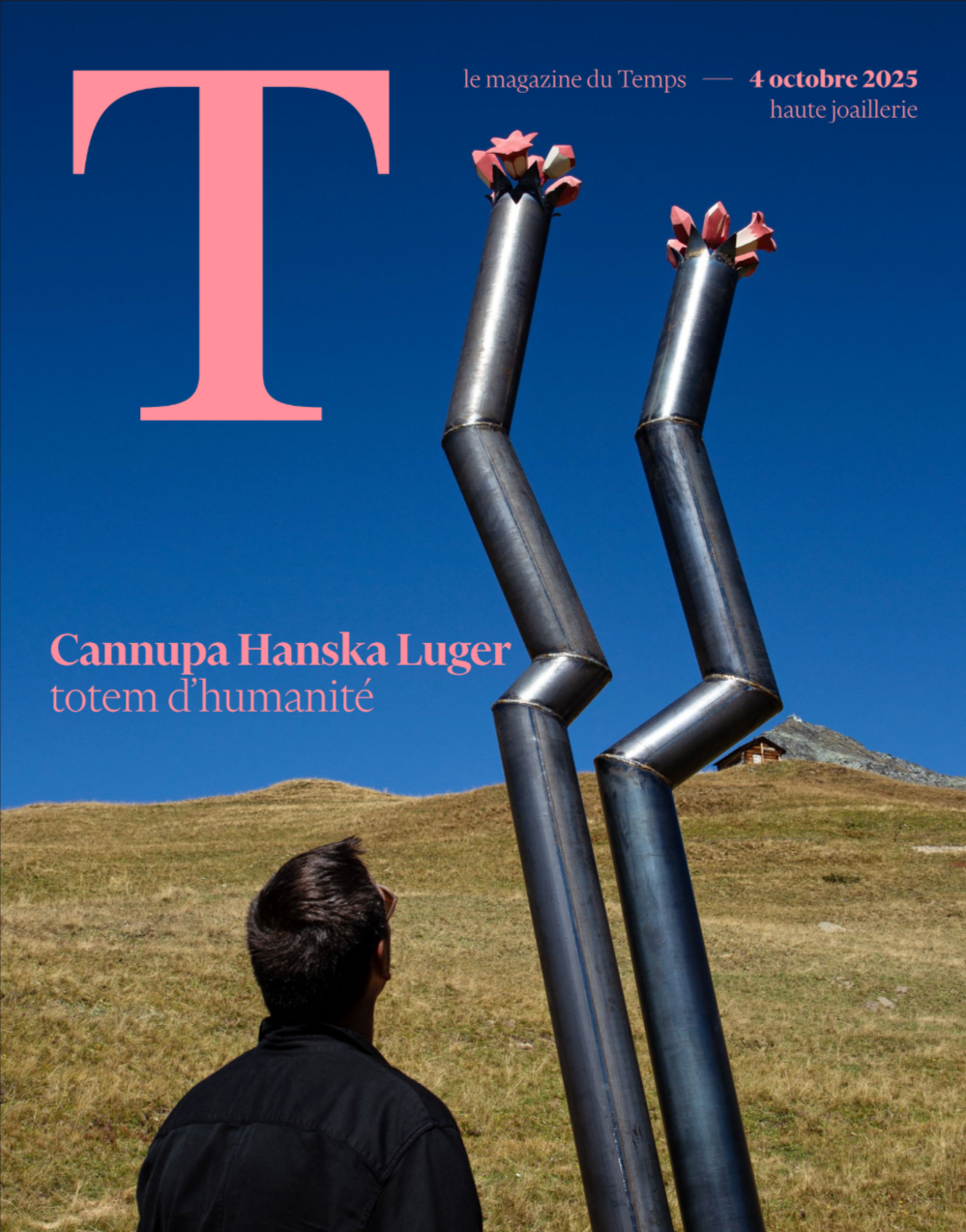
T Magazine Cover
le magazine du Temps
Roots and Works - Cannupa Hanska Luger on Verbier 3-D Foundation’s 2025 Artist-in-Residence, Switzerland