Winter Reflections 2025
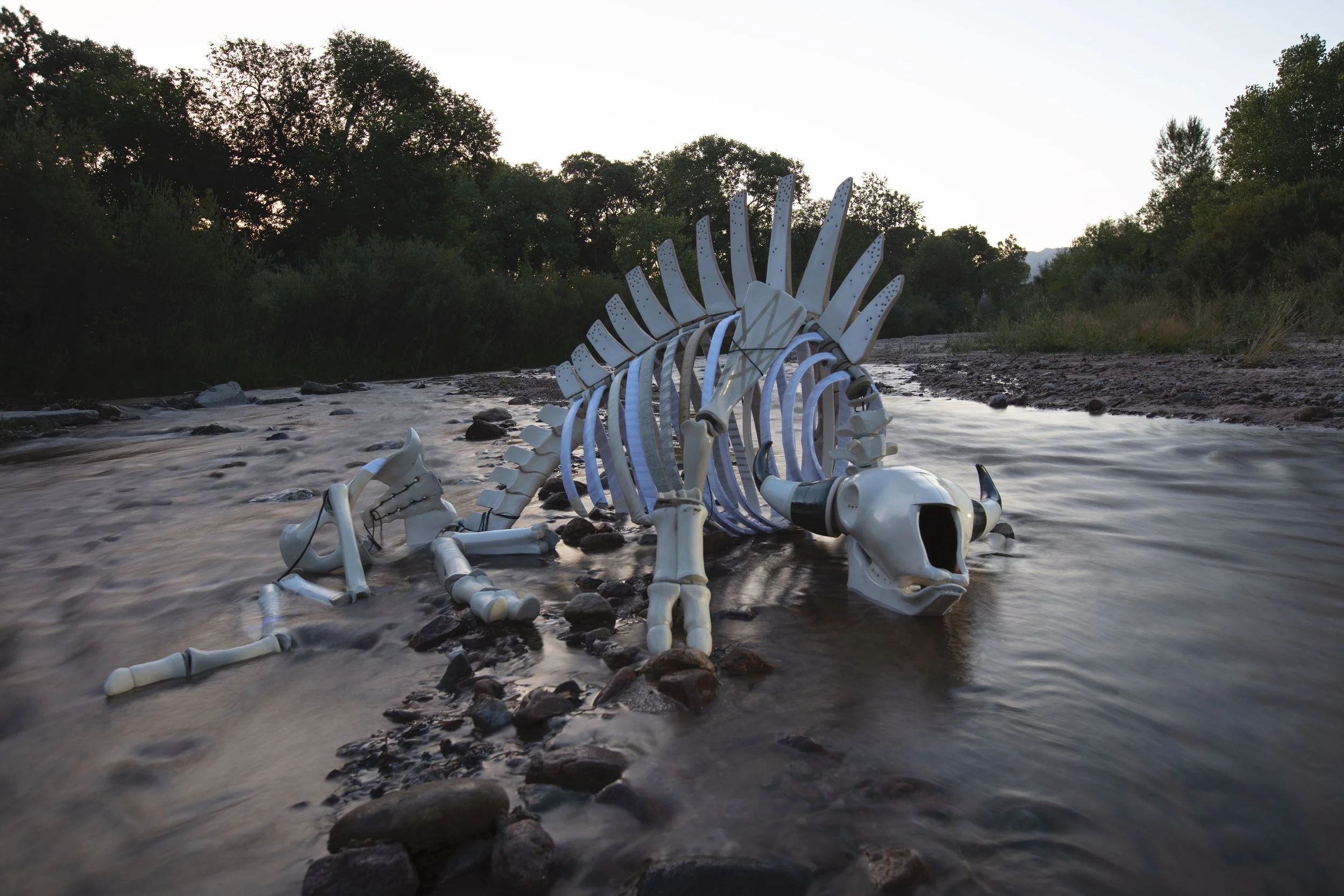
Announcing Buffalo Nation
Supported by Stelo Arts & Culture Foundation, with funding from the Mellon Foundation’s Monuments Project
Led by artist Cannupa Hanska Luger, this visionary multi-year creative project imagines a future monument that honors bison as kin, as casualties of American expansion, and as catalysts for Indigenous regeneration and connection. Rooted in Luger’s creative vision, the coalition for this phase of research and reverence includes the artist’s ongoing collaboration with Monument Lab, and a new partnership for this phase with Indigenous impact producer and founder of Good Trade Productions Amber Morning Star Byars (Choctaw Nation of Oklahoma).
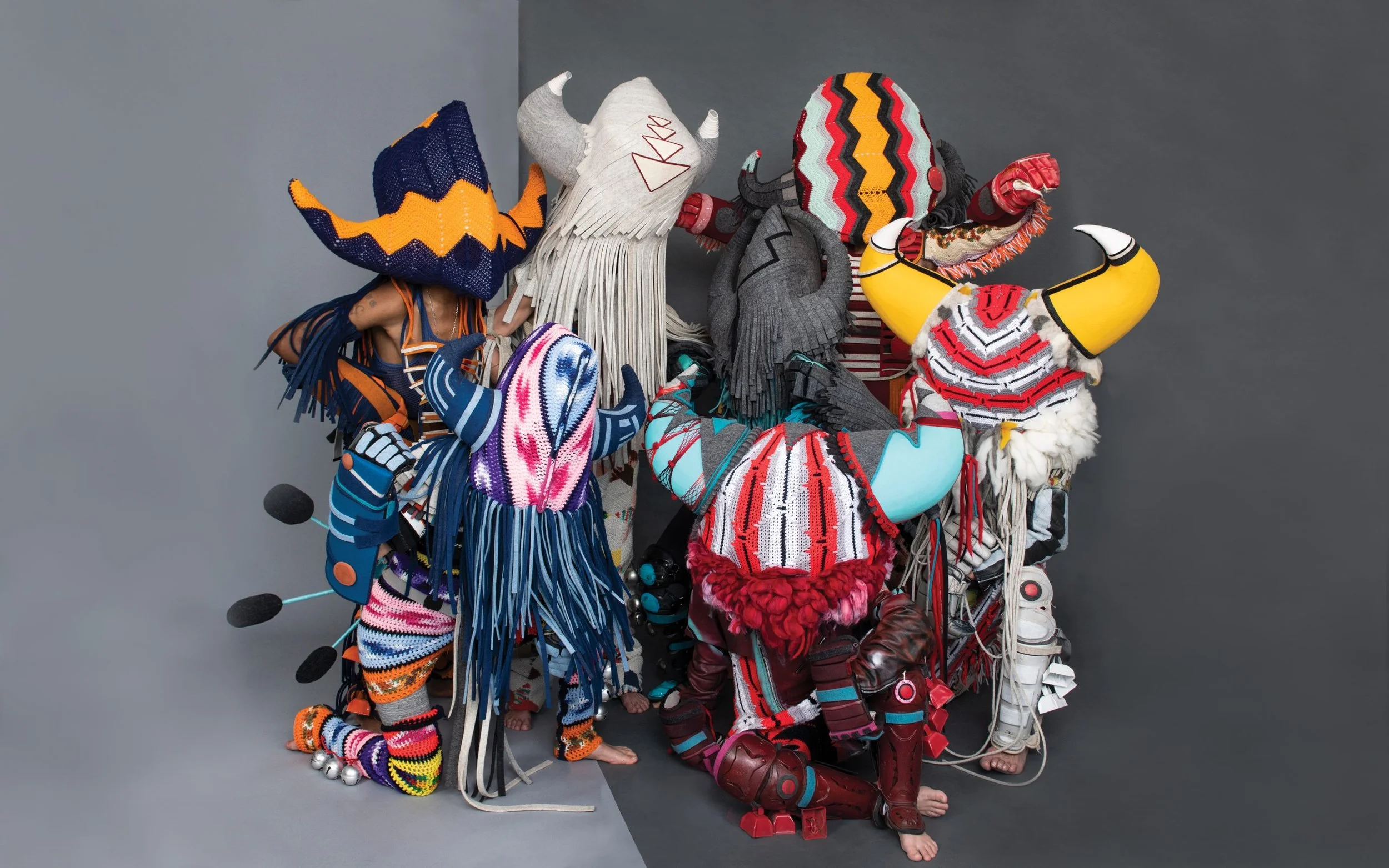
Dripping Earth: Cannupa Hanska Luger
Joslyn Art Museum Nov 15, 2025 – Mar 8, 2026
Joslyn Art Museum is pleased to announce Dripping Earth: Cannupa Hanska Luger, the artist’s most expansive museum project to date. This ambitious and immersive exhibition invites visitors on a journey into the acclaimed artist’s world, where time is nonlinear, scale is skewed, and cultural identity is fluid.
New Publications!
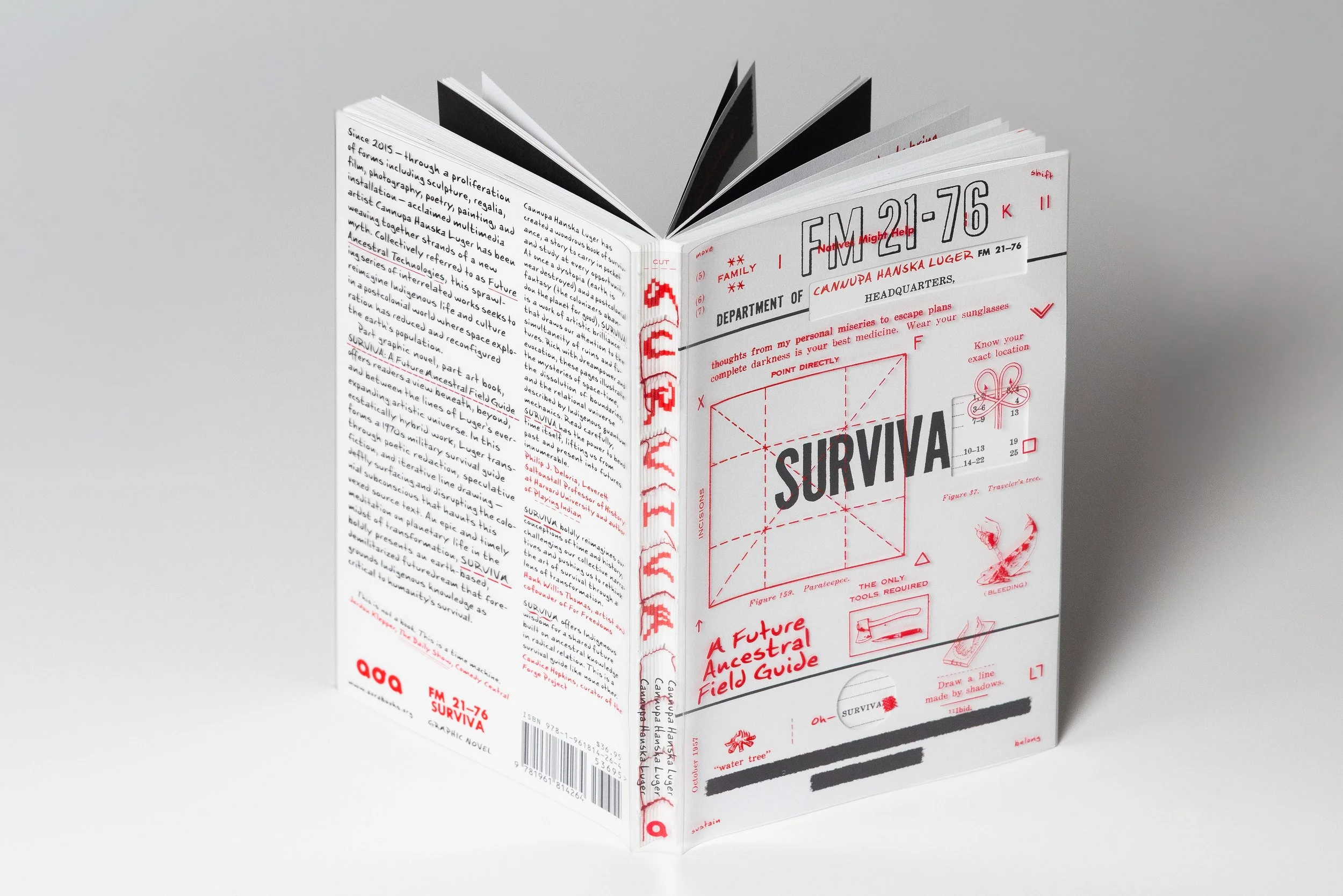
SURVIVA: A Future Ancestral Field Guide
by Cannupa Hanska Luger
An ambitious, world-envisioning work of Indigenous futurism.
“SURVIVA offers Indigenous wisdom for a shared future built on ancestral knowledge in radical relation. This is a survival guide like none other.”
—Candice Hopkins, curator of the Forge Project
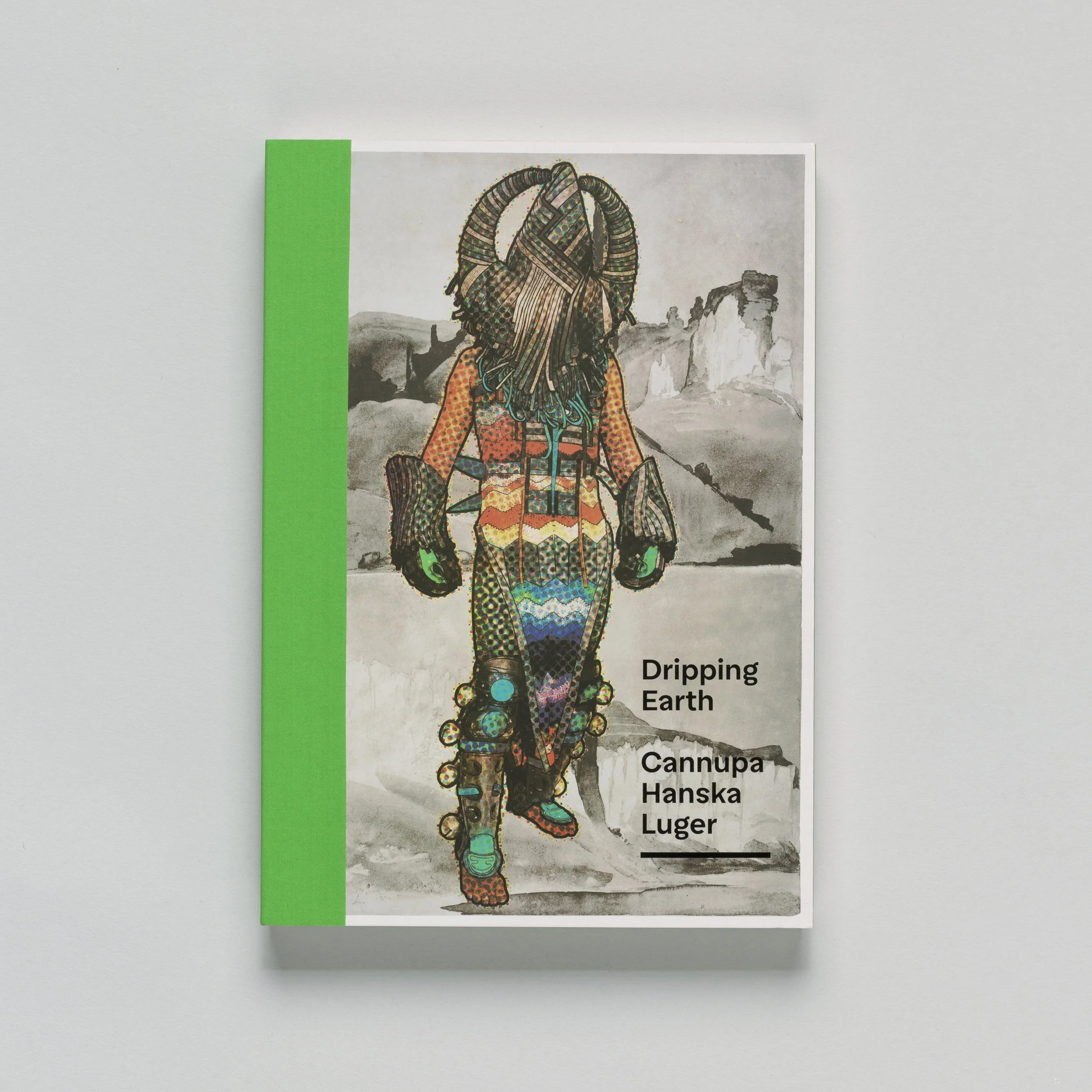
Dripping Earth: Cannupa Hanska Luger
edited by Karin Campbell and Annika K. Johnson
Studio Process
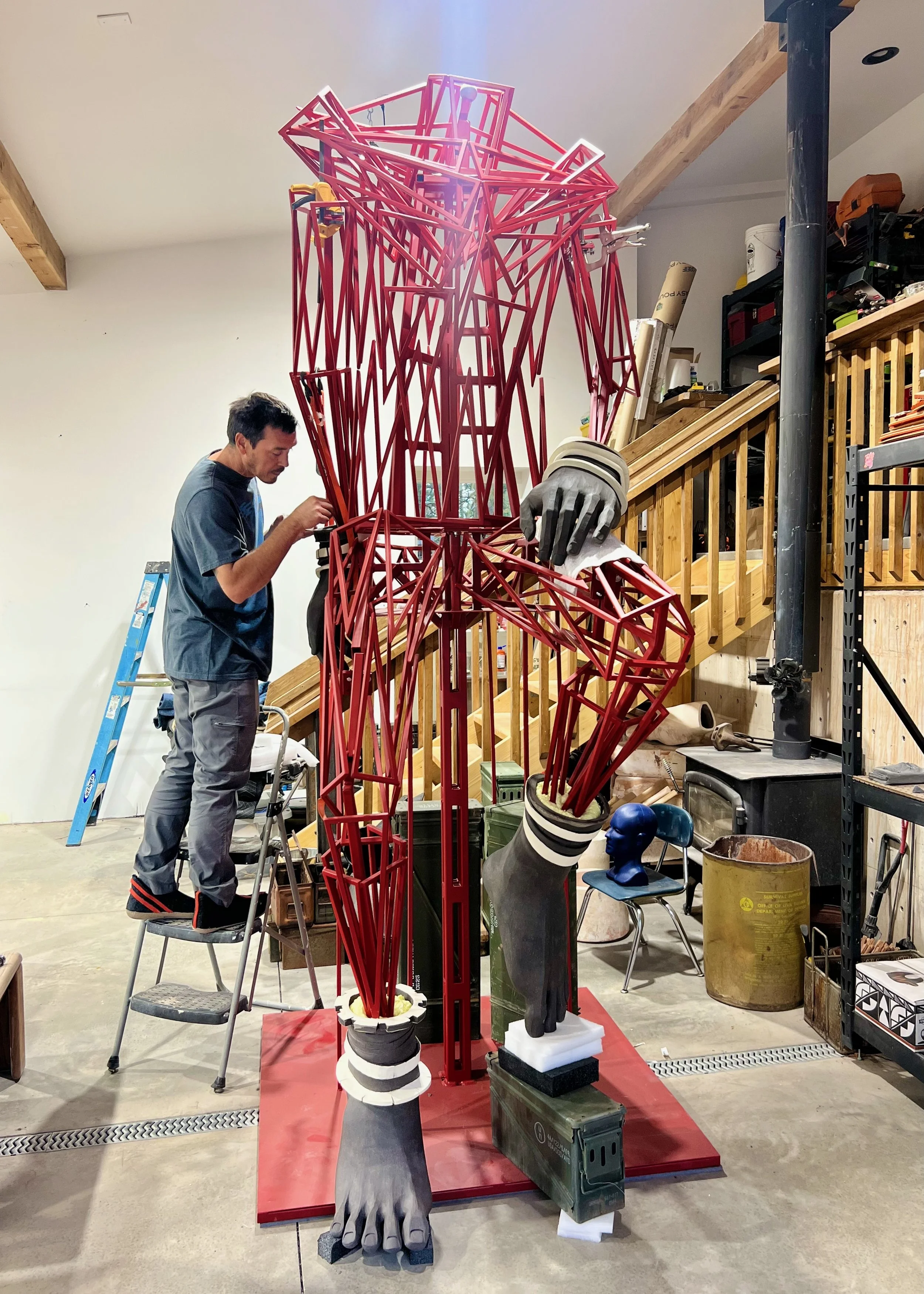
"Scale, in my Northern Plains ancestral customary practices, is based on importance, not proximity. The new monumental sculpture, A Nation, is about being big in a museum. It's a direct response to the small amount of space that's historically been allotted for Indigenous populations and centuries of culture in institutions."
Cannupa working on A Nation monumental figurative sculpture for Dripping Earth at The Joslyn Art Museum
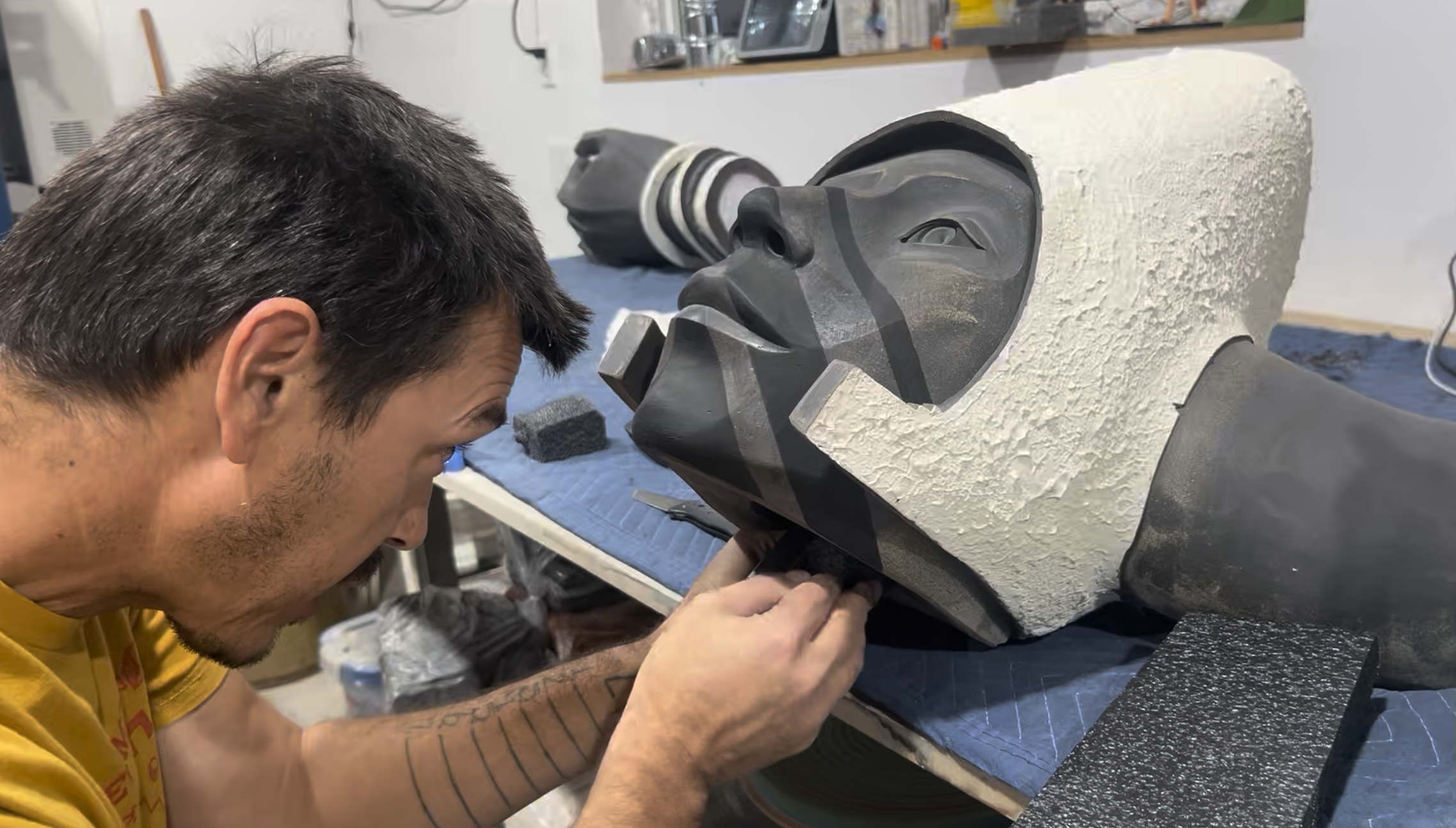
“Dripping Earth at the Joslyn Art Musuem is the largest solo presentation to date of new work responding to my ancestral homelands. The artwork in the exhibition reflects my experience as a contemporary artist Indigenous to North America and an enrolled member of the Three Affiliated Tribes of Fort Berthold (Mandan, Hidatsa, Arikara). I am from a people at the edge of the river and shore. Our history shows the adaptations of that line constantly changing. Like sand and clay at the banks of the river, our stories remain in the Dripping Earth. My practice is rooted in the continuum of generations before me, the urgency for Indigenous visibility in this moment, and the dreaming of Indigenous futures. I’m excited to see these new ideas unfold through The Joslyn galleries near the Missouri River.”
In the News
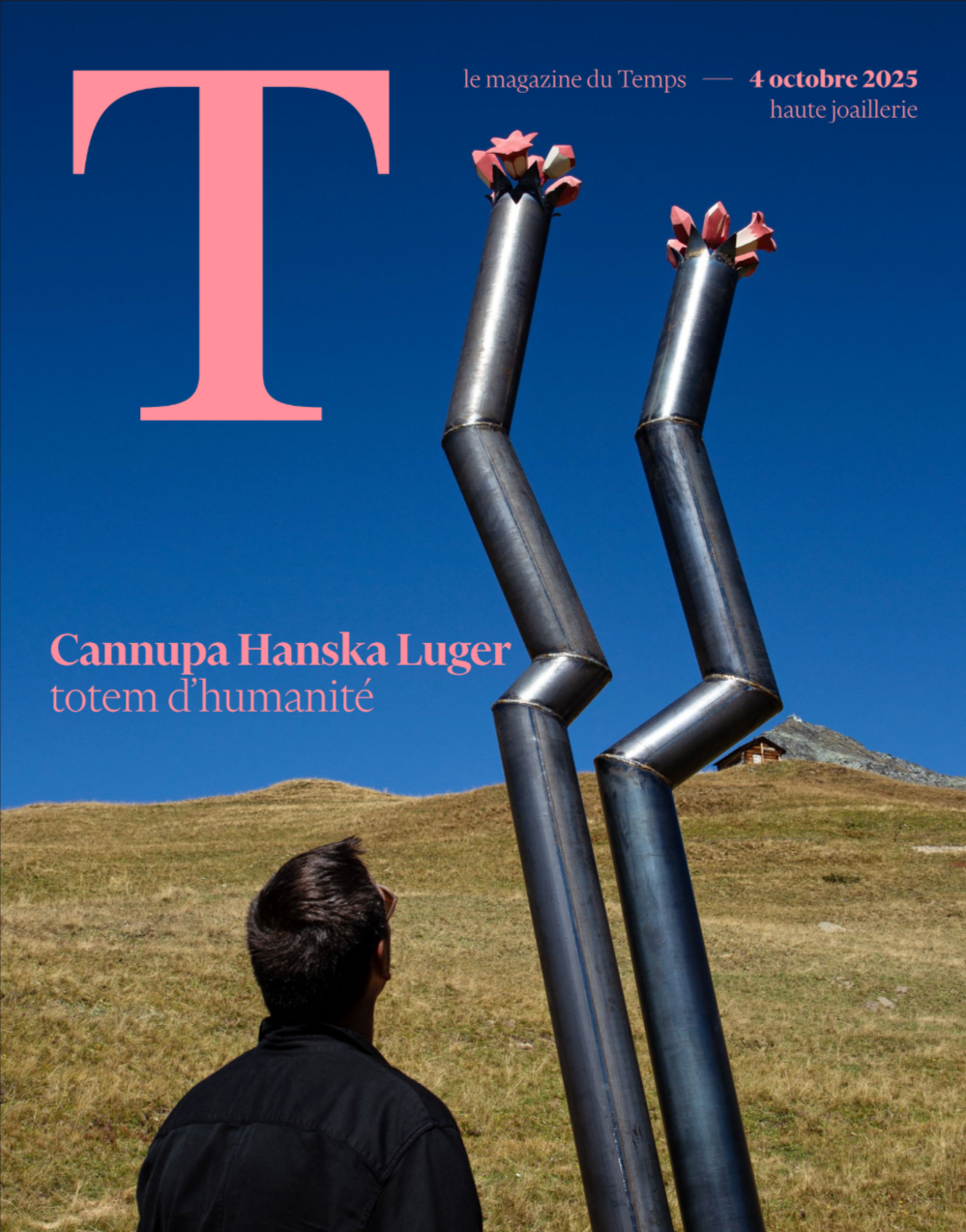
T Magazine
Cover
le magazine du Temps
Roots and Works - Cannupa Hanska Luger on Verbier 3-D Foundation’s 2025 Artist-in-Residence, Switzerland
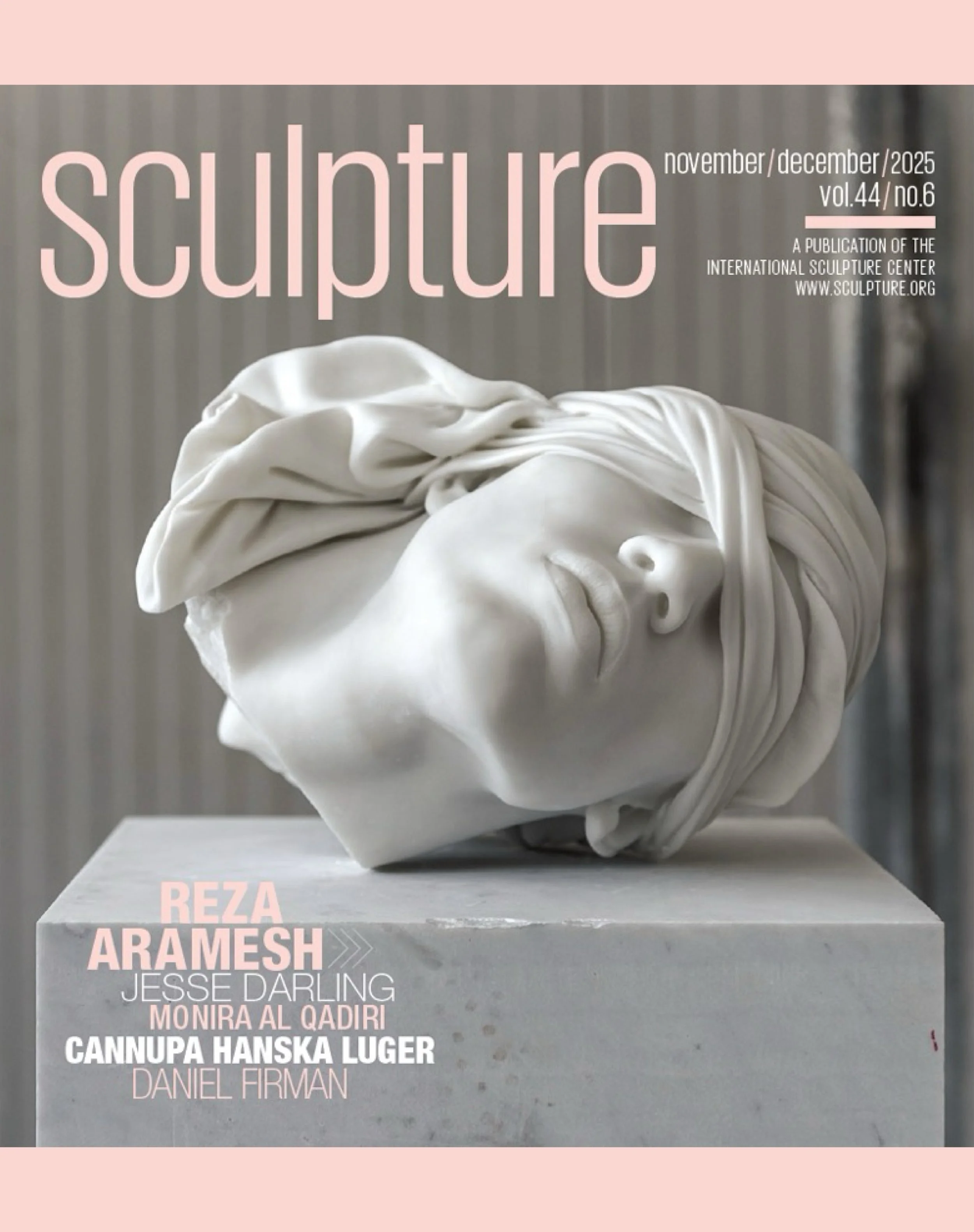
Sculpture Magazine Feature
Forms of Reverence: A Conversation with Cannupa Hanska Luger
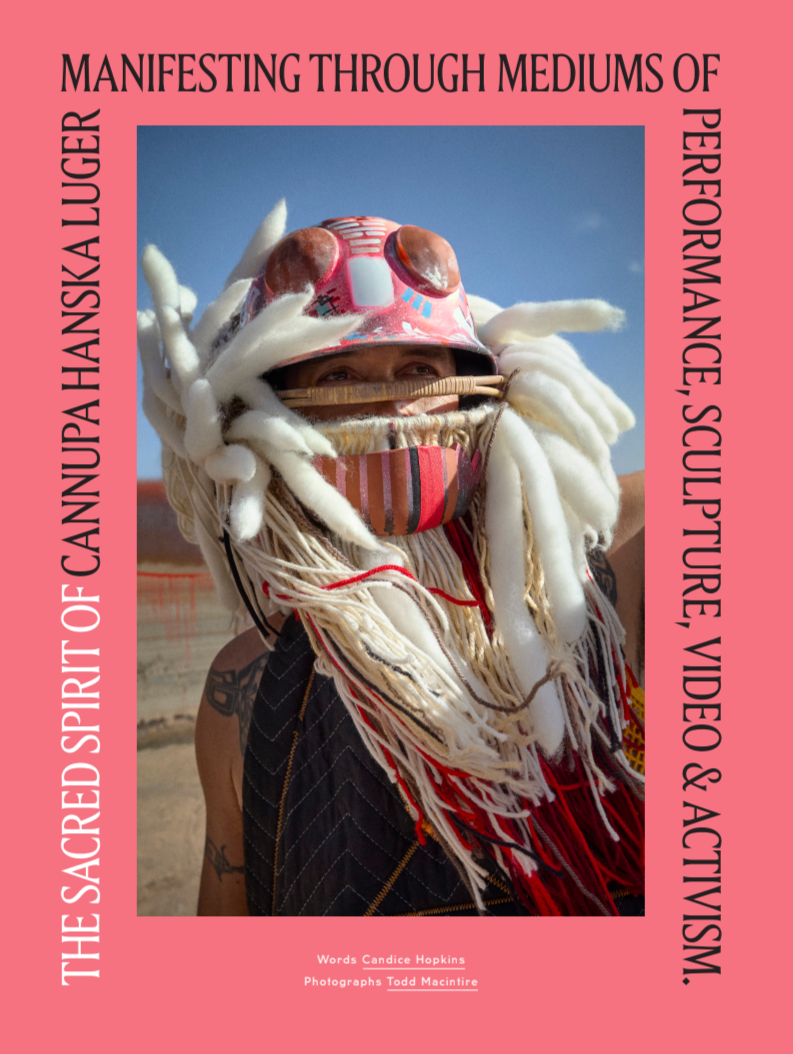
Upstate Diary Magazine Feature
Words: Candice Hopkins
Photographs: Todd MacIntire
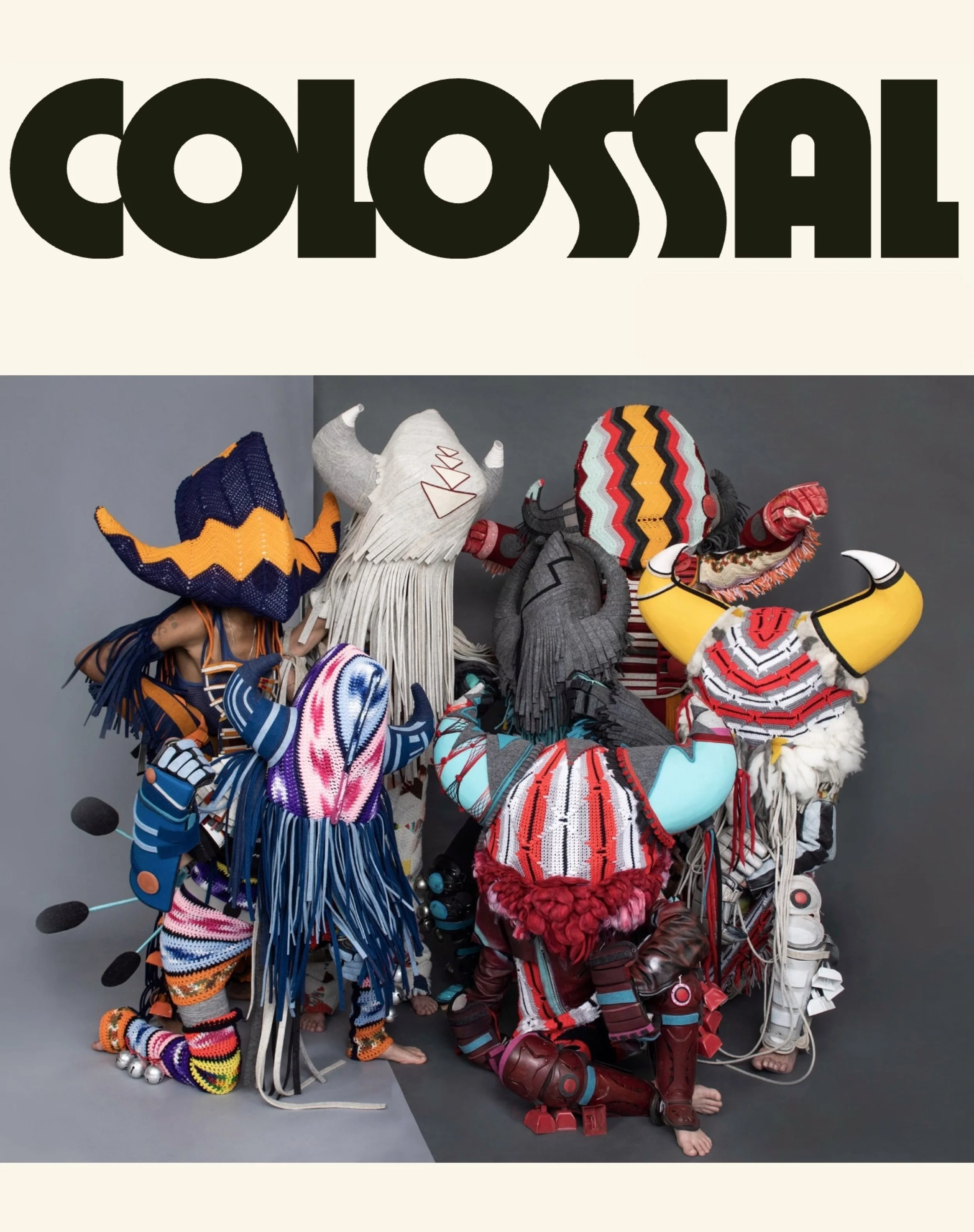
Colossal Feature
In ‘Dripping Earth,’ Cannupa Hanska Luger Ushers the Past into a Speculative Future
The Art Newspaper - We Can Imagine Alternatives to the Present: Cannupa Hanska Luger on His Exhibition at the Joslyn Art Museum Read Here →
PBS Artist Feature - PST: Art & Science Collide Watch Here →
New Mexico Arts Artist Feature - Governer’s Award for Excellence in the Arts Watch Here →
Dripping Earth featured in The New York Times - A Full Season of Art to See at Museums and Galleries Across the U.S. Read Here →
Publisher’s Weekly - SURVIVA: A Future Ancestral Survival Guide Book Review Read Here →
Cultured Magazine - A.I. and a Handmade Ceramic Whistle Have More in Common Than You Think, According to Artist Cannupa Hanska Luger Read More →
Indian Country Today - SURVIVA: A Future Ancestral Survival Guide Book Review Read More →
ARTnews - Cannupa Hanska Luger Creates Unnerving Football Mascot for New Jordan Peele-Produced Horror Film ‘Him’ Read More →
Boston Art Review - Cannupa Hanska Luger’s “Transmutation” Considers What the Bones Remember Read Here →
Native America Calling Native in the Spotlight: Cannupa Hanska Luger - NPR/Podcast Feature Read More →
Elephant - What Makes Art Human? AIR Aspen’s Reckoning with Tech, Nature, and Itself Read Here →
Current & Upcoming
Upcoming:
Truths Be Told, December 5 2025 - January 27 2027, Museum of International Folk Art, Santa Fe, New Mexico
REMEMORY: The 25th Biennale of Sydney, March 14 - June 14 2026, Sydney, Australia
2026 Art + Environment Summit: Under Pressure, April 16 - 18 2026, Nevada Art Museum, Reno, Nevada
On now:
Dripping Earth: Cannupa Hanska Luger, Joslyn Art Museum, Omaha, Nebraska
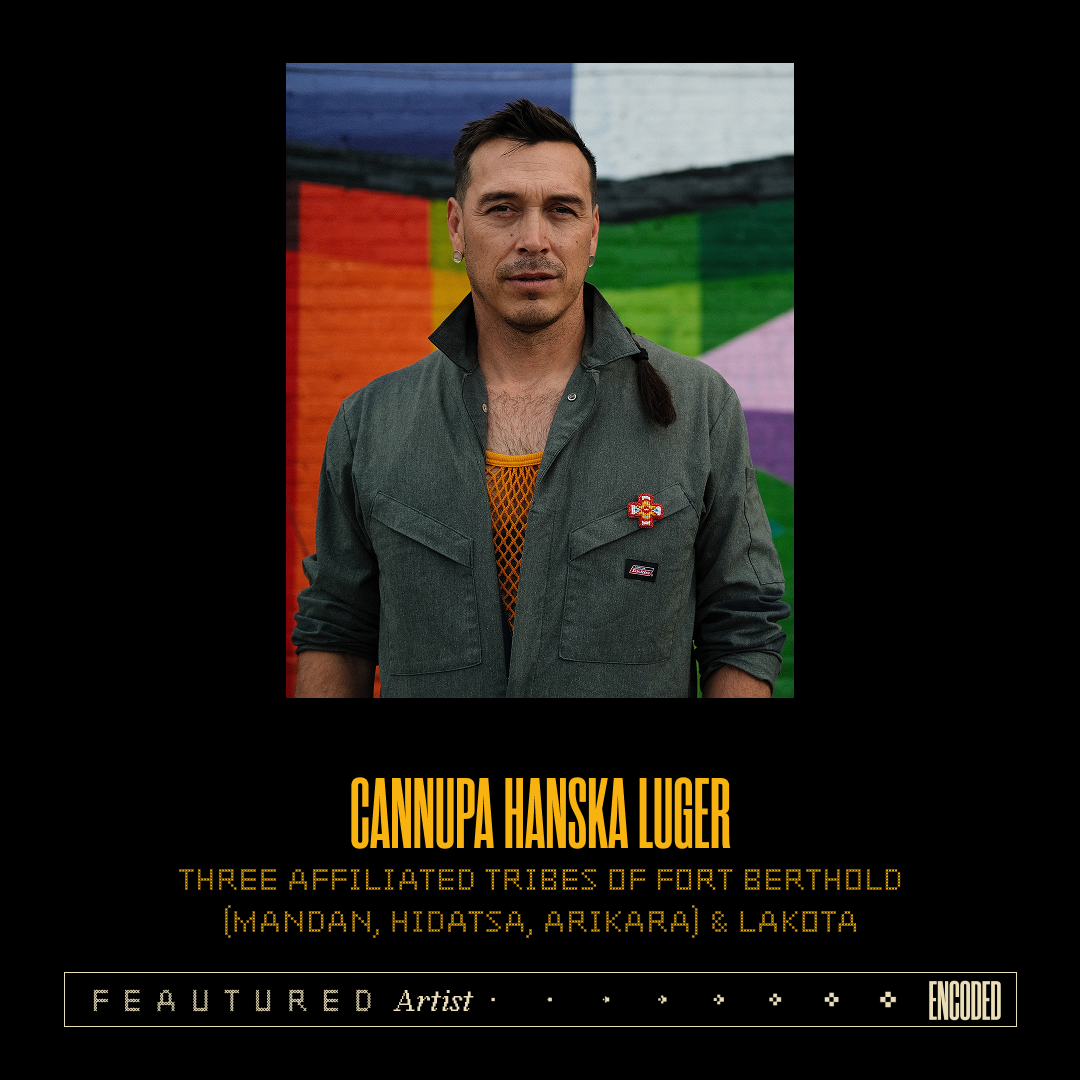
ENCODED: Change the Story, Change the Future, Unsanctioned AR Action, Metropolitan Museum of Art, New York
Super Duper, Gallery Met, The Metropolitan Opera, New York
Indigenous Identities: Here, Now & Always , Zimmerli Art Museum, New Brunswick, New Jersey
Future Imaginaries, Autry Museum of the American West, Los Angeles, California
otherwise, Maine College of Art & Design, Portland, Maine
Colossal Video Feature - THIS IS NOT OUR LAND, WE ARE ITS PEOPLE (2025), Uncommissioned, Worldwide
Studio Recommendations
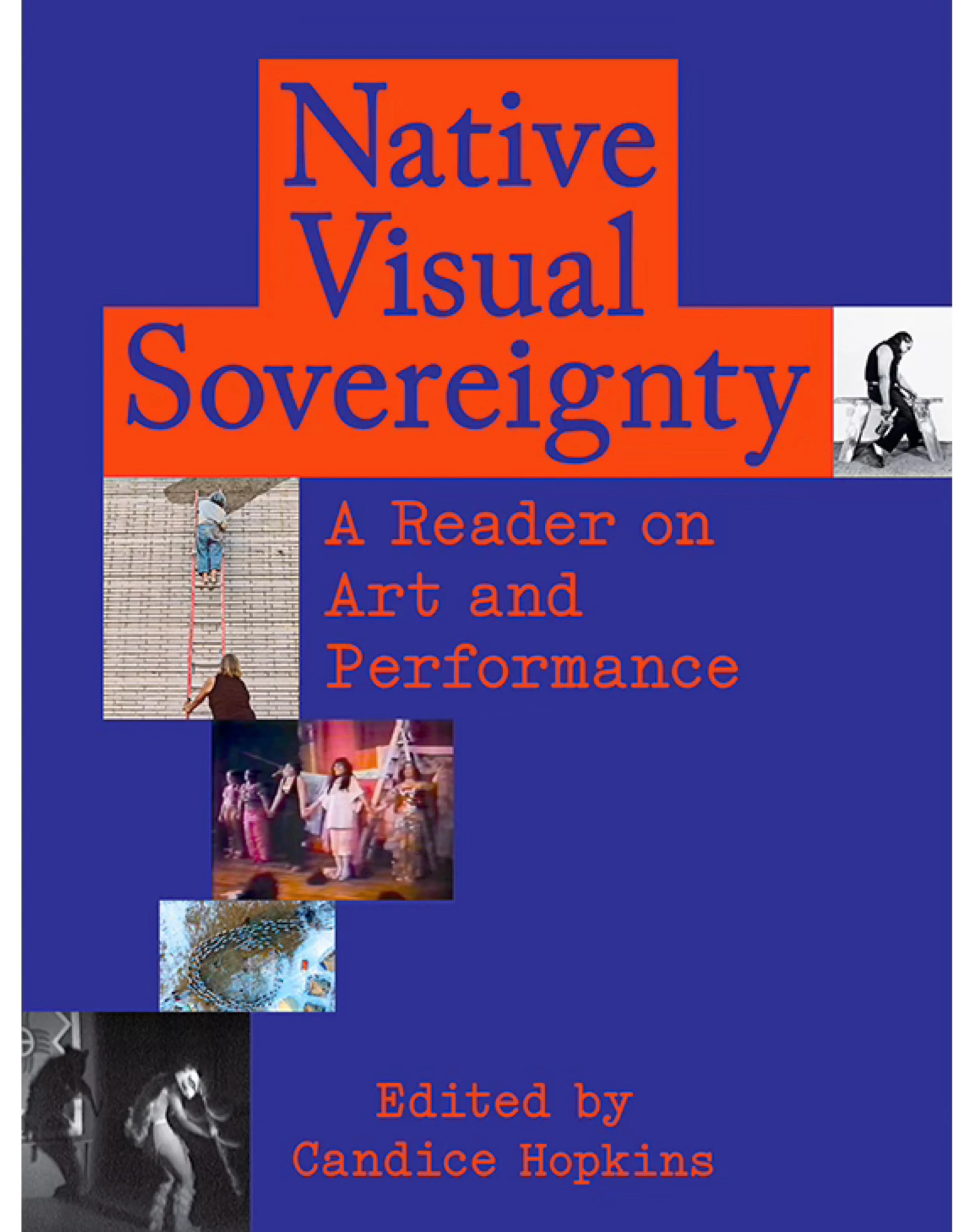
Native Visual Sovereignty: A Reader on Art and Performance
edited by Candice Hopkins
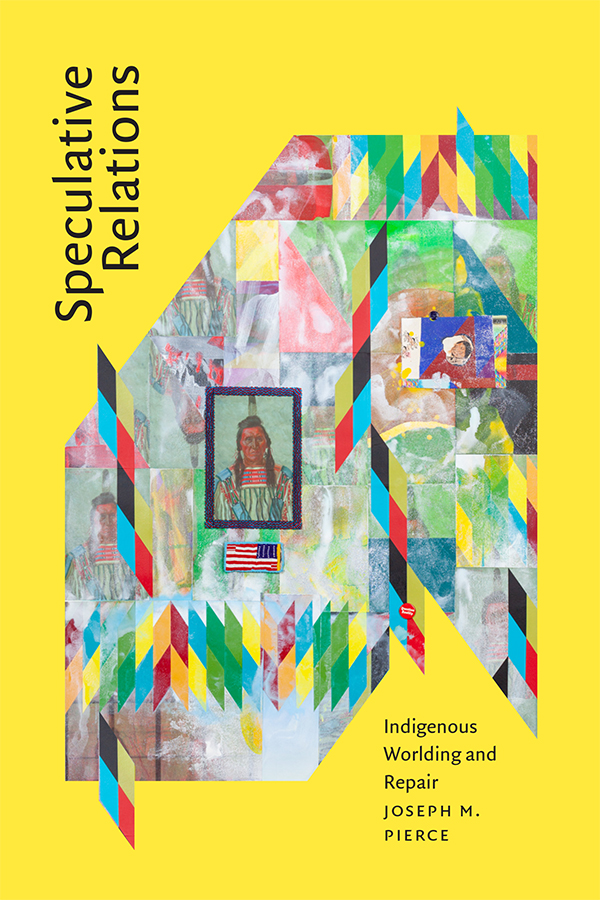
Speculative Relations: Indigenous Worlding and Repair
by Joseph M. Pierce

Gumshoe LP
by Samantha Crain
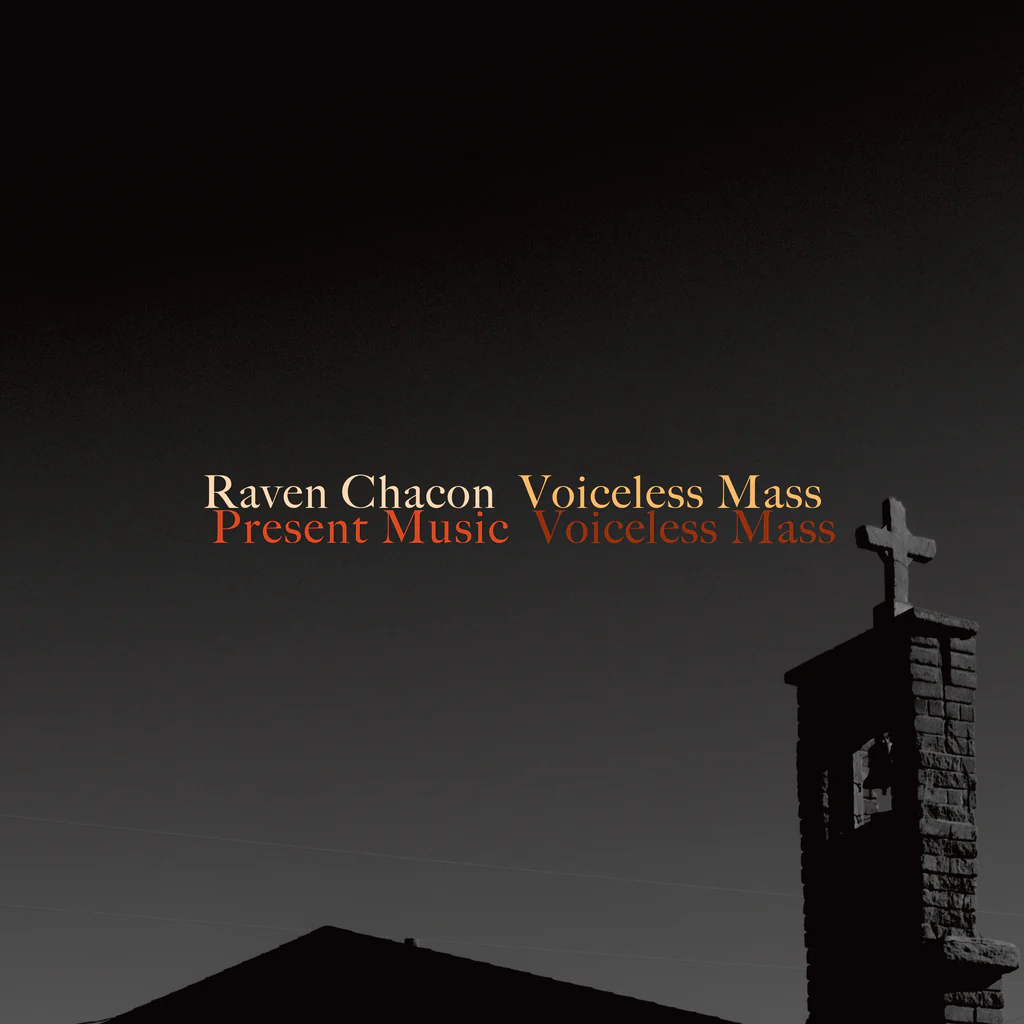
Voiceless Mass LP
by Raven Chacon
Cannupa Hanksa Luger Quarterly Newsletter No. 1
Dear Community,
If this message has found its way to your inbox, it’s because somewhere along the way—through an exhibition, a talk, or a shared moment—you’ve connected with Cannupa Hanska Luger’s work. We’re deeply grateful for that connection.
In seeking a slower, more intentional way to stay in touch, the studio has begun this quarterly letter—a note each season—to share what’s been happening out in the world, in the studio and what’s to come.
This year has been one of movement and making. Cannupa’s practice continues to evolve in many directions, and always at its core is the question of how Indigenous knowledge can guide us to live in better relation, with one another and with the land itself. Across advocacy, sculpture, performance, video, installation, and public art—and now through authorship—Cannupa continues to consider how art can function as a living technology: something that connects, repairs, and imagines alternative pathways forward.
Looking ahead, the studio is thrilled to share one of the most exciting projects taking shape in early 2026, Buffalo Nation—a multi-year monument inquiry supported by Stelo Arts & Culture Foundation through the Mellon Foundation Monuments Project. The first phase begins with deep research and community engagement led by Cannupa and guided by protocols of respect for the buffalo and for the stories and people that surround them.
Over a span of the next 18 months, Cannupa will travel across the continent to dream toward a future monument honoring the buffalo as kin, as casualties of colonial expansion, and as catalysts for Indigenous regeneration. This work asks how we might create a monument that is truly alive, one that embodies relationship rather than conquest. In collaboration with the monument experts at Monument Lab and with further cultural guidance from Indigenous impact producer Amber Morning Star Byars of Good Trade Productions, the end goal of this phase is to advance the long-term planning for the design, expanded partnerships, and eventual construction and realization of the memorial.
Reflecting on the past year, several key projects have expanded the reach and depth of Cannupa’s practice. As a small studio led by an artist committed to making with his own hands, this growth has been both thrilling and, at times, demanding. Through each opportunity, Cannupa has maintained a deep awareness of the ripples his work creates. As a family run studio, we’ve worked to honor this evolution—to step outward with care, sharing new ideas with the world in the hope of shifting collective thought and making meaningful impact.
Over the past year, Cannupa has been deep in preparation for Dripping Earth, which opened November 15th at the Joslyn Art Museum. This exhibition is co-curated by Annika Johnson and Karin Campbell and is Cannupa’s largest solo presentation to date. This show carries the artist's heart with it, as it directly relates to Cannupa’s homelands and family. The work rises from the clay and waters of his ancestral territory along the Missouri River, tracing how technologies and knowledge systems endure even as landscapes shift.
Featuring new works in ceramics, printmaking, and mixed-media installation, Dripping Earth also reveals Census, the newest piece in Cannupa’s long-running Counting Coup series, which utilizes collective making and empathy to understand complex data. Years in the making, Census is created from thousands of ceramic beads made by communities across North America, each bead representing a living wild bison. This new sculptural work takes the form of a life size 3-D pixilated buffalo and will continue to become through public participation during the run of the exhibition and beyond. This work is art as process, collaboration, and continuum.
Dripping Earth: Cannupa Hanska Luger
Joslyn Art Museum
On view November 15, 2025 – March 8, 2026
“An ambitious and immersive exhibition, Dripping Earth invites visitors into a nonlinear world where clay, story, and time converge. The title draws from Luger’s Hidatsa clan, the Awa xee (Dripping Dirt), who maintained and repaired earth lodges. Rooted in this lineage of care, the artist’s clay works extend ancestral technologies into the present, reimagining depictions of his Mandan and Hidatsa ancestors through an Indigenous lens—reclaiming submerged Missouri River landscapes and revealing how art can restore land, memory, and kinship across time.” —Joslyn Art Museum
This October, Cannupa released SURVIVA: A Future Ancestral Field Guide—a book born from redaction and reclamation, transforming a military survival manual into a guide for cultural continuity. Though he has contributed poems and essays to many publications over the years, this is the first time he has created a book as an artwork itself, as the author.
Part graphic novel, part art book, SURVIVA reimagines a 1970s survival guide through poetic redaction, speculative fiction, and iterative line drawing—surfacing and disrupting the colonial subconscious embedded in its source text. It’s a meditation on planetary life in transition, envisioning a demilitarized future grounded in Indigenous knowledge as essential to collective survival. Touring across the East Coast and Southwest this fall, Cannupa was deeply moved by the response. His hope was to create an artwork that could be carried and returned to for inspiration—and with the first edition nearly sold out, that resonance is palpable.
“SURVIVA offers Indigenous wisdom for a shared future built on ancestral knowledge in radical relation. This is a survival guide like none other.” — Candice Hopkins, curator of the Forge Project
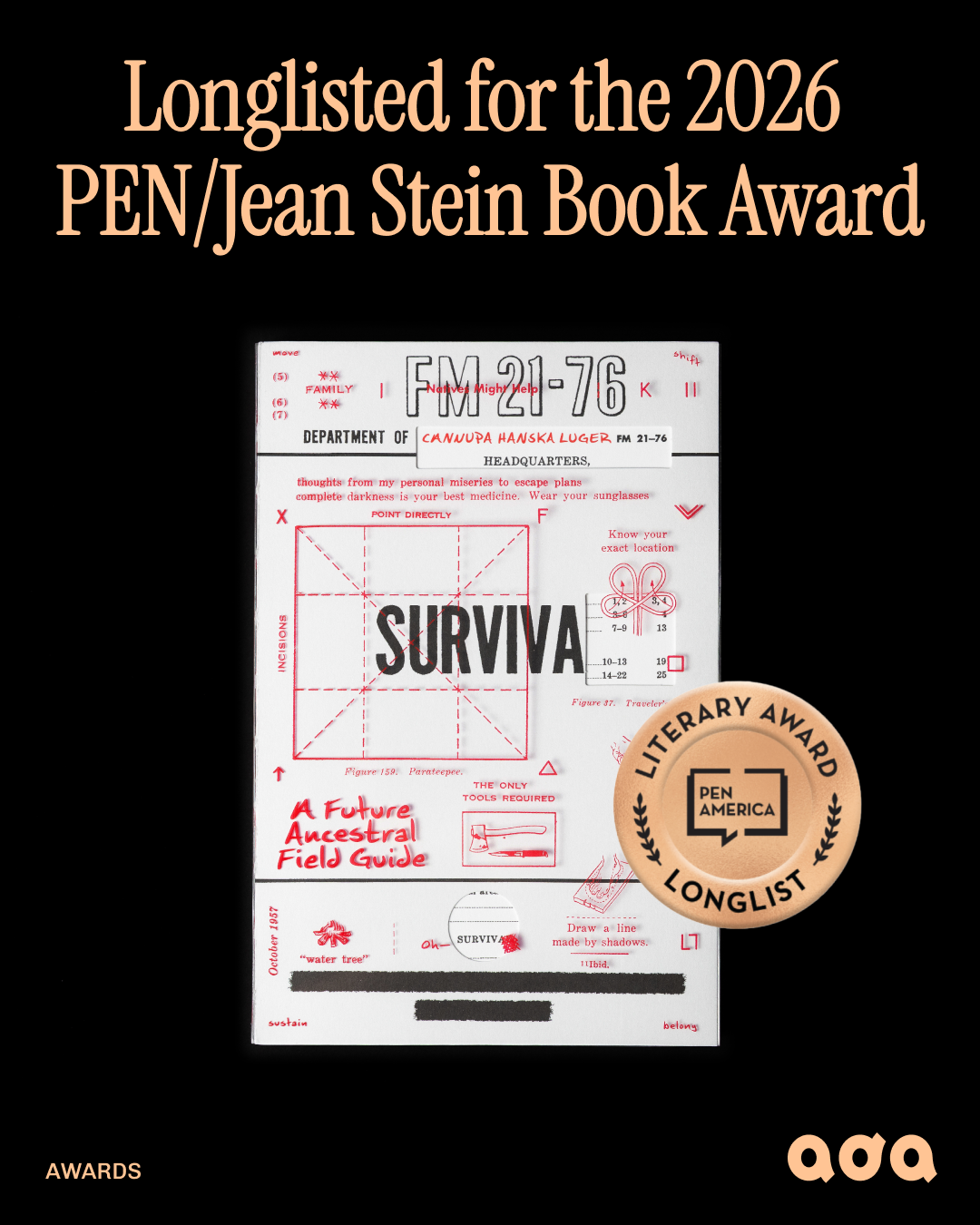
The studio is thrilled to announce that SURVIVA: A Future Ancestral Field Guide by Cannupa Hanska Luger has been placed on the longlist for PEN America’s 2026 PEN/Jean Stein Book Award!
This summer, Cannupa spent six weeks in the Swiss Alps as the Verbier 3-D Sculpture Park Artist-in-Residence. Each day, he rode a gondola up into the mountains to work with the land and community—creating a site-specific monument responding to the sacred plants and folklore of the Val de Bagnes region. Featured as a cover story for Swiss T Magazine, the experience continues to resonate deeply with how a residency can be generative for both the artist and the community engaged. Living and working across the valley from a massive glacier—watching cow fights, meeting farmers and botanists, and sharing the experience with our children expanded the notion that art can generate both reverence and reciprocity.
From Europe, Cannupa traveled on to Seto, Japan to install A Way Home – Mįhą́pmąk for the Aichi Triennale at the Aichi Prefectural Ceramic Museum. This ongoing project asks how we might sculpt vessels to hold the future, as he continues the process of reawakening the ancestral clay practices of his Mandan heritage. Although Cannupa is a trained ceramicist, it is through being on the land, digging clay, testing techniques, and the act of making itself that guides an understanding of the complex technologies his ancestors developed. As these clay practices were nearly lost through colonization, this ongoing work honors ancestral knowledge while shaping pathways forward for future generations. While in Japan, Cannupa had the opportunity to connect with many skilled ceramic artists of the Tokoname region, learn about Japan’s ancient kilns and form lasting friendships with extended clay community through the Cross Art Tokoname collective.
Another highlight this year was presenting Midéegaadi for Times Square Midnight Moment—a multi-channel performance calling the bison back to the land through movement and reverence throughout the month of April. Presented in collaboration with For Freedoms and projected nightly across 92 jumbo screens, the work invited humanity to center Indigenous knowledge as essential to our shared survival. Seeing that message ripple through one of the busiest crossroads in the world was surreal—an opportunity for remembering brought to the heart of the city nightly.
Earlier in the year, Cannupa participated in DESERT X with G.H.O.S.T. Ride (Generative Habitation Operating System Technology)—a reflective, nomadic vehicle and sculptural installation that traveled through the Coachella Valley over nine weeks, merging with the desert environment like a mirage. Built from industrial remnants, ceramics, and donning a TIPI array Cannupa created from reclaimed construction materials, this public artwork carried speculative systems for gathering light and water—a vision of adaptation. Accompanied by a triptych billboard poem along the Palm Springs highway and a new time-based film that premiered at the organic and Native-owned Temalpakh Farm in the Coachella Valley, G.H.O.S.T. Ride invited new dreams from its audience, envisioning a speculative time jump where Indigenous knowledge, sustainable life practices, and nomadism root us in holistic survival as a species.
This year also premiered Transmutation as part of the inaugural Boston Public Art Triennial, extending Cannupa’s ongoing interventions in public space and collective making. The work stands as both elegy and testament, mourning the loss of wild buffalo populations while honoring the enduring strength of Indigenous communities. Two towering portals, crowned with monumental buffalo skulls, frame a suspended mesh fabric adorned with thousands of ribbons, each one hand-tied and inscribed with messages from community members. In this shared ritual of remembrance and repair, the simple act of tying a ribbon becomes a gesture of solidarity, binding past, present, and future in an intricate weave of kinship and renewal. Presented in partnership with University of Massachusetts Boston Arts on the Point and the Native American and Indigenous Studies Program, Transmutation served as a living memorial—calling upon the collective to reckon with loss, to celebrate resilience, and to participate in the ongoing work of healing.
2025 has been a year of deep gratitude and recognition. Cannupa was honored with a National Geographic Wayfinder Award, honoring visionaries transforming how we understand nature, culture, and the future of our planet—and initiating his work as a National Geographic Explorer, one of only a handful of visual artists to receive this distinction. He was also awarded an Honorary Doctor of Art from Maine College of Art & Design for his contributions to the field, and received the New Mexico Governor’s Award for Excellence in the Arts, alongside the Eiteljorg Fellowship and the OurWorlds Immersive Visual Arts Award. Each acknowledgment serves as an affirmation to continue to uncover new ways art may shift the way we think about our impact on the planet and how creativity can move us forward collectively.
Currently in the studio, Cannupa is deep in the clay, creating a new commission for rememory, the 25th Biennale of Sydney, which will be on view March 14–June 14, 2026. Cannupa will present a new ceramic and sound installation that will sonically permeate the environment within the White Bay Power Station in Sydney, Australia. This work is being created in careful consideration to the cultural protocols of Australia Indigenous cultures and we look forward to traveling to Sydney to meet the Indigenous communities from the region and to engage and share stories over the course of the opening program.
And to close out this season and this first newsletter from the studio, we wanted to share a few ways you can participate, support, and continue learning alongside this work:
If you’re near Omaha this winter, you can take part in the work firsthand through Bison Bead Project workshops at the Joslyn Art Museum. These free, drop-in sessions invite participants of all ages to create clay beads for Census, the new additive, life-size buffalo sculpture in Dripping Earth. Each bead honors the resilience of the bison and the power of collective making.
Bison Bead Workshops
Sat, Dec 20 | 10 AM–12 PM
Thu, Jan 15 & Feb 26 | 4–6 PM
This fall, Cannupa was invited by Amplifier Art to participate in ENCODED: Change the Story, Change the Future—a first-of-its-kind Indigenous art intervention within the American Wing of The Metropolitan Museum of Art. Presented by Amplifier, a nonprofit design lab that builds art and media campaigns to shift culture and amplify movements, the project reimagines one of the most storied museum spaces in the world through Indigenous presence, creativity, and story. Launched on Indigenous Peoples’ Day 2025, ENCODED transforms the American Wing through augmented reality (AR), allowing visitors to experience 25 altered masterpieces on their smartphones or tablets as they move through the galleries. This unsanctioned project remains live at the Met through December 2025 and is a reminder that our stories are not relics of the past, but living codes for the future. Visitors are invited to engage with this work and share it with their communities.
We also invite you to learn more about the work Indigenous communities are doing across the continent to restore and protect bison populations. As Cannupa spends the next 18 months in deep research for Buffalo Nation, we highlight the incredible efforts of the Wind River Tribal Buffalo Initiative, whose mission states: “As we work to restore the Buffalo, a process of renewal and healing begins that balances human, animal, and environmental health.” If you’re moved to support their work, we encourage you to visit their website to learn more and consider contributing to their ongoing efforts.
Finally, we continue to have immense admiration for our Indigenous creative contemporaries. Right now in the studio, we’re listening to Samantha Crain’s Gumshoe and Raven Chacon’s Voiceless Mass, and reading Candice Hopkins’ Native Visual Sovereignty: A Reader on Art and Performance alongside Joseph M. Pierce’s Speculative Relations: Indigenous Worlding and Repair. These brilliant voices remind us that art lives through relation. Art is built between people, and we are grateful to be in conversation with other artists pushing the way we activate and engage in the cultural landscape.
As always, thank you for walking beside this practice—for reading, sharing, and showing up. Art begins in relationship—with material, with community, with the universe itself.
Thank you for being on this journey together in radical care and creative deviance,
The Studio of Cannupa Hanska Luger
If social media is your speed, the studio is most active on Instagram @cannupahanska so please follow along there to stay up to date and we will see you here next season!